How to Choose Stainless Steel Valves and Fittings for Your Needs?
When selecting stainless steel valves and fittings, it's essential to understand your specific needs. Expert David Johnson, a leading figure in the plumbing industry, once stated, "Choosing the right materials can make or break your project." His insight reflects the importance of quality in these components.
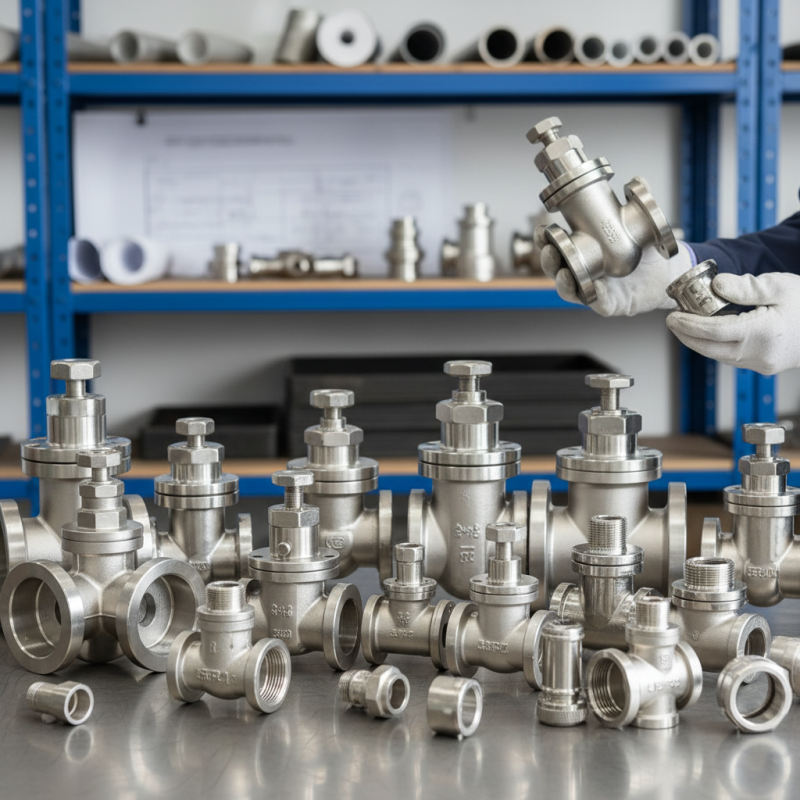
Stainless steel valves and fittings come in various types and sizes. Each serves a unique function in plumbing systems. Durability is a key factor to consider. The right choice can enhance efficiency and lifespan, while the wrong choice may lead to leaks and costly repairs.
However, many overlook critical factors when making their selections. They may focus solely on price, ignoring the long-term benefits of high-quality materials. Compromising on quality can lead to serious consequences. Thoughtful consideration of stainless steel valves and fittings is crucial. Your project's success may depend on it.
Types of Stainless Steel Used in Valves and Fittings
When selecting stainless steel valves and fittings, understanding the types of stainless steel is essential. The most common types include 304 and 316. Type 304 is cost-effective and resistant to corrosion, making it suitable for many applications. However, it may not withstand chlorides well. Type 316 offers better protection against salt and chemical corrosion. It is ideal for marine and high-saline environments.
Beyond these, duplex stainless steel is becoming popular. It combines the best features of austenitic and ferritic steel, providing high strength and excellent resistance to stress corrosion cracking. While it’s a strong choice, it can be more expensive. Another option is super duplex stainless steel. This material withstands harsher conditions but requires careful placement and maintenance.
Choosing the right stainless steel involves thinking critically about your needs. Analyze the environment and pressure conditions where the fittings will be used. Remember, the right choice now can save you costs later. Reflecting on this selection process is crucial. A misstep could lead to failures, leaks, or costly replacements. Always consider the long-term implications when choosing your materials.
Key Factors to Consider When Choosing Stainless Steel
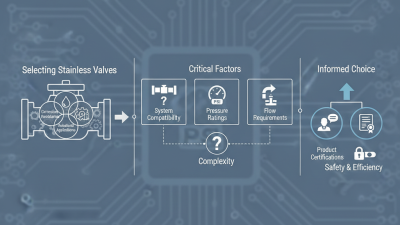
Choosing stainless steel valves and fittings involves several key factors. The type of stainless steel is critical. Grade 304 is common, but grade 316 offers better corrosion resistance. If your project involves seawater, opt for grade 316. Understanding the environment where the fittings will be used is essential.
Another factor is the size and type of connection. Various fittings exist, from threaded to flanged types. The right choice ensures a tight seal and prevents leaks. Sometimes, users overlook the importance of compatibility with existing systems. Mismatched sizes can lead to costly adjustments or failures.
Cost is also a consideration. High-quality stainless steel can be expensive. However, cheaper options may compromise safety and durability. It's worth investing in reliable components that can withstand harsh conditions. Remember, choosing the right materials can save money over time. Reflecting on these factors can lead to better decisions and long-lasting results.
How to Choose Stainless Steel Valves and Fittings for Your Needs?
| Feature |
Considerations |
Recommended Grades |
| Corrosion Resistance |
Choose materials suitable for the environment, especially in chemical exposures. |
316, 317 |
| Temperature Tolerance |
Ensure the valves and fittings can withstand the required operating temperatures. |
304, 316 |
| Pressure Ratings |
Evaluate the pressure levels in your application to select appropriately rated components. |
Class 150, 300 |
| End Connections |
Determine the type of connections needed (threaded, flanged, welded). |
Varies by application |
| Size and Flow Capacity |
Assess the required dimensions and flow characteristics for optimal performance. |
Depends on system design |
| Regulatory Standards |
Ensure compliance with relevant industry standards and codes. |
ASME, ASTM |
Understanding Different Types of Valves and Fittings
Choosing the right stainless steel valves and fittings depends on understanding their types. There are several options available.
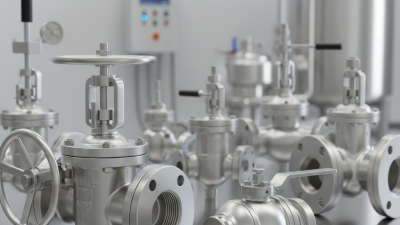
Gate valves allow for the straight flow of fluid. They work well in on/off applications. However, they are not suitable for throttling.
Ball valves are another type. These valves offer minimal flow resistance. They provide a tight seal, making them ideal for shut-off tasks. Yet, users should be cautious; frequent operation can wear them out. Check the pressure ratings before selecting.
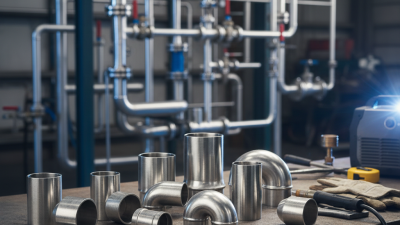
Fittings come in various shapes and sizes. Tee fittings connect three pipes at 90 degrees. Elbow fittings change the direction of flow. Hammering issues may occur if fittings are improperly installed. Understanding these details can prevent future leaks. Each type has its advantages and drawbacks. Take time to research before making a decision.
Applications and Industries for Stainless Steel Valves and Fittings
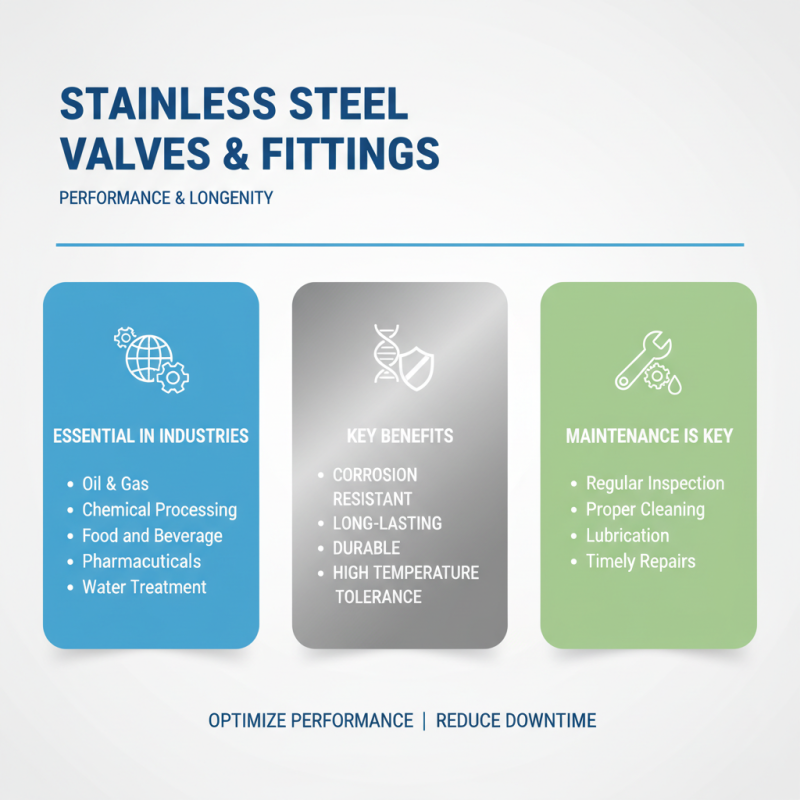
Stainless steel valves and fittings find critical applications across various industries. In food and beverage, they maintain hygiene and prevent contamination. Their durability withstands harsh conditions. These components resist corrosion, ensuring safety in product delivery. In the pharmaceutical industry, cleanliness is paramount. Here, stainless steel valves help streamline processes and protect sensitive materials.
The chemical sector also relies on these robust components. Valves manage the flow of aggressive fluids. Their strength prevents leaks and costly downtimes. In oil and gas, stainless steel fittings are essential for secure connections. They endure high pressures. However, choosing the right specifications can be challenging. It's crucial to evaluate environmental factors and chemical exposure.
Some industries overlook maintenance needs. Regular checks are vital to ensure optimal functionality. Decisions based solely on price might lead to issues later. Sometimes, even experienced professionals can misjudge the required specifications. Understanding the intricacies of different applications is vital for optimal performance.
Applications and Industries for Stainless Steel Valves and Fittings