How to Choose the Right Stainless Flanges for Your Project Needs
Choosing the right stainless flanges for your project needs is crucial for ensuring both efficiency and longevity in your installations. With a wide variety of options available, it can often be overwhelming to navigate through the different types of stainless flanges and their specific applications. Understanding the characteristics and advantages of each type is essential for making an informed decision that aligns with your project's requirements.
In this guide, we will explore the various types of stainless flanges, discussing their unique features, materials, and applications. Whether you are working on a piping system, a structural connection, or any other engineering project, selecting the appropriate stainless flanges can enhance the reliability and performance of your assembly. By the end of this article, you will have a clearer understanding of how to choose the right stainless flanges, ensuring that you meet both technical specifications and cost-effectiveness in your project.
Understanding the Different Types of Stainless Steel Flanges and Their Uses
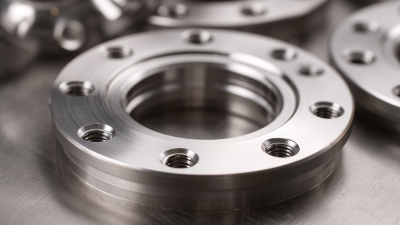
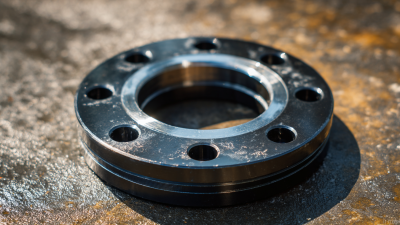
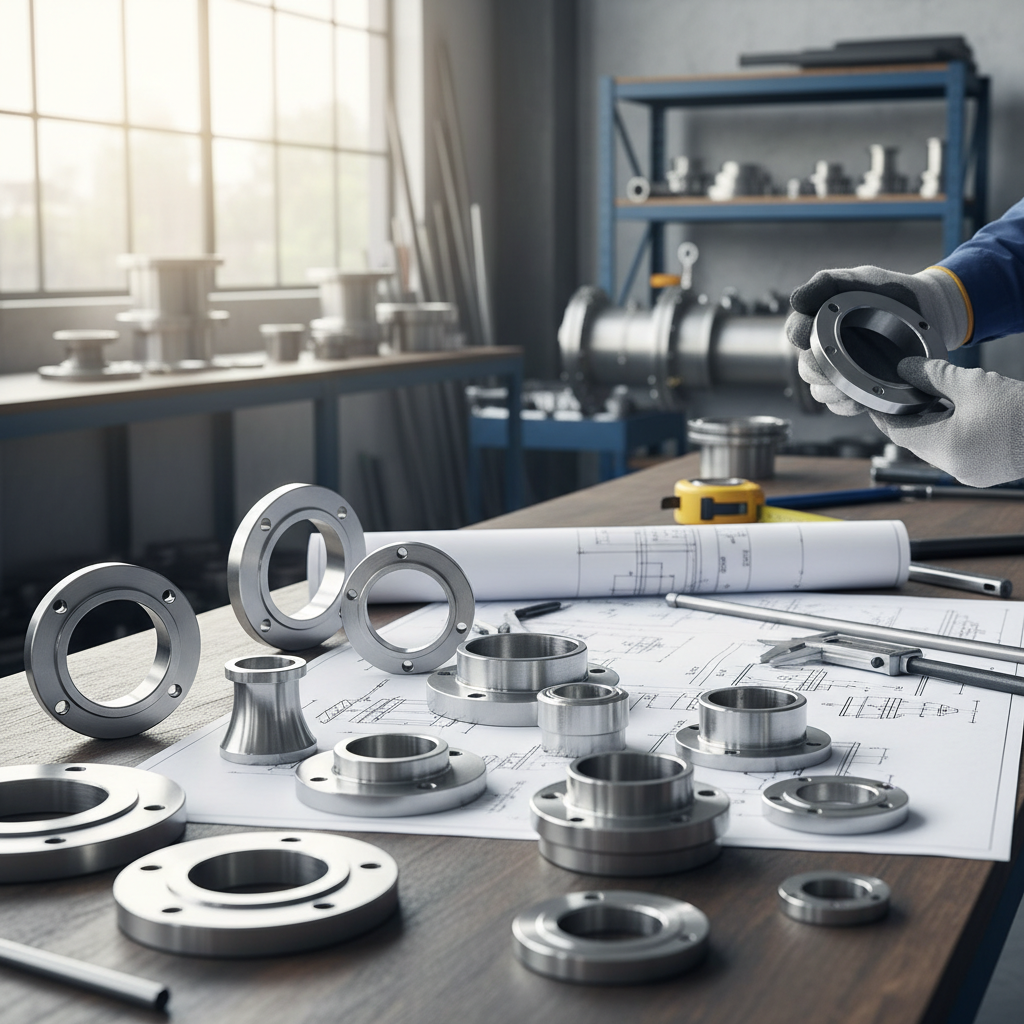
When it comes to selecting the right stainless steel flanges for your project, understanding the different types available and their specific applications is crucial. Stainless steel flanges come in various forms, including slip-on, weld neck, blind, and threaded flanges, each designed for particular functions. For example, slip-on flanges are generally easier to align and are suitable for low-pressure applications, while weld neck flanges provide a stronger connection in high-pressure situations, as noted in a report by the Stainless Steel World Conference 2022.
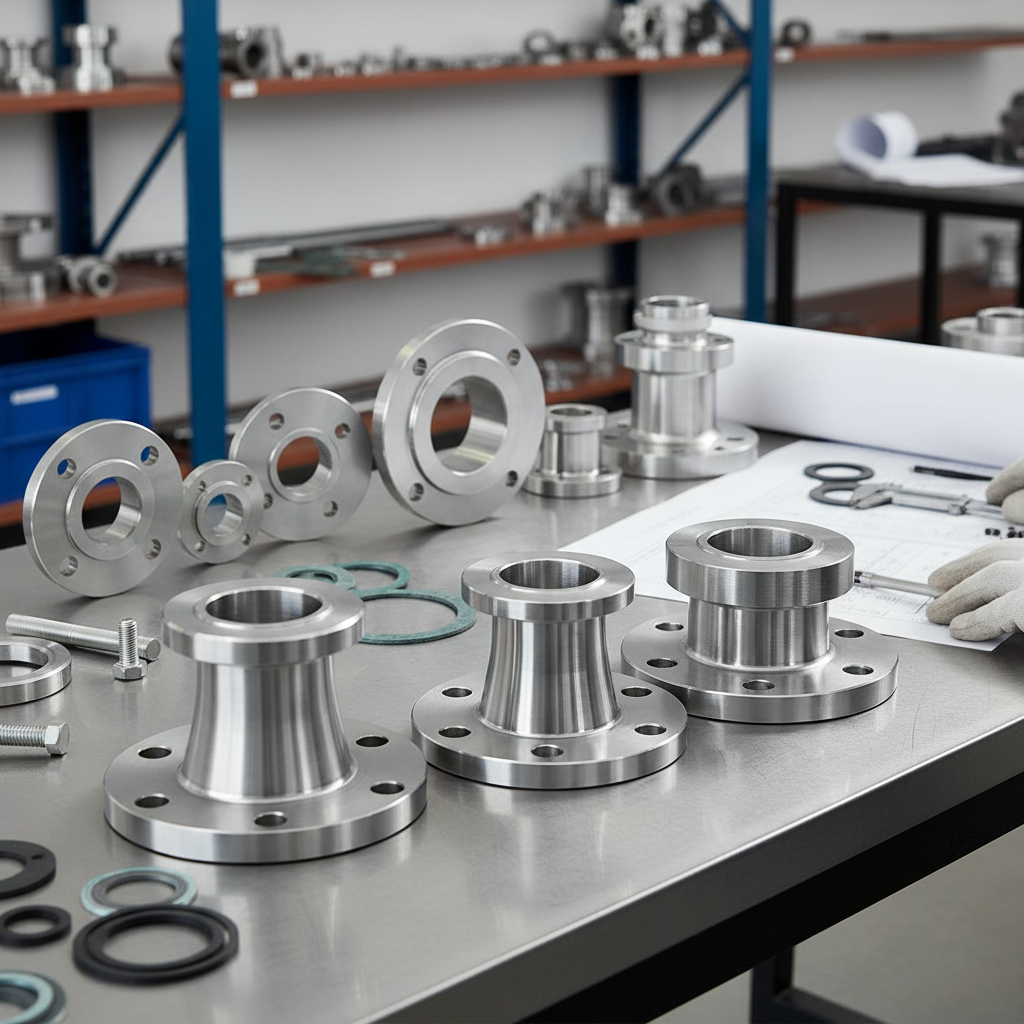
In addition to these types, material specifications play a key role in performance. Commonly used grades such as 304 and 316 stainless steel offer corrosion resistance and durability; however, the choice between them depends on the working environment. For instance, 316 grade is preferred in marine applications due to its enhanced resistance to chloride corrosion, as highlighted in a recent study by the American Society of Mechanical Engineers. Knowing the specific requirements of your project, such as pressure, temperature, and environmental conditions, will guide you in choosing the most suitable flange type and material, ensuring a reliable and long-lasting connection.
Key Factors to Consider When Selecting Stainless Flanges for Industrial Applications
When selecting stainless flanges for industrial applications, several key factors come into play to ensure optimal performance and longevity. The first consideration is the material grade of the stainless steel. According to industry standards, 304 and 316 grades are the most commonly used due to their excellent corrosion resistance and strength, with 316 offering better resistance to chlorides and oxidation compared to 304. A report by the Global Stainless Steel Flanges Market anticipates the demand for 316 stainless flanges to grow by approximately 5.3% annually, driven by their superior durability in harsh environments.
Another critical factor is the flange type and pressure rating. Different applications require different types, such as weld neck, slip-on, or blind flanges, each engineered for specific pressure ratings and temperature guidelines. The Pressure Equipment Directive (PED) mandates that the selected flange must comply with certain pressure-temperature ratings to ensure safety and efficiency. For instance, a recent analysis indicated that flanges with a rating of Class 150 and above are essential for high-pressure systems, with a robust market growth forecast of 6% annually as industries seek to enhance their operational reliability and safety standards. Understanding these factors will significantly enhance project outcomes and system performance.
How to Choose the Right Stainless Flanges for Your Project Needs
| Flange Type |
Material |
Pressure Rating (ANSI) |
Size (inches) |
Suitable Applications |
| Weld Neck Flange |
304 Stainless Steel |
150 |
2 |
High-pressure applications |
| Slip-On Flange |
316 Stainless Steel |
300 |
3 |
General service applications |
| Blind Flange |
304L Stainless Steel |
600 |
4 |
Piping systems that need to be sealed |
| Socket Weld Flange |
321 Stainless Steel |
1500 |
1.5 |
High-temperature applications |
| Threaded Flange |
Duplex Stainless Steel |
300 |
6 |
Applications without welding |
Review of Industry Standards and Certifications for Stainless Steel Flanges
When selecting stainless steel flanges for your project, understanding the relevant
industry standards and certifications is crucial. Various organizations,
such as (American Society for Testing and Materials) and ANSI (American National Standards Institute),
establish specifications that ensure the quality and performance of flanges. These standards dictate the
material composition, dimensions, and mechanical properties required for different applications.
For instance, ASTM A182 covers forged stainless steel flanges, while the
ANSI B16 series outlines the dimensions and pressure-temperature ratings for pipe flanges.
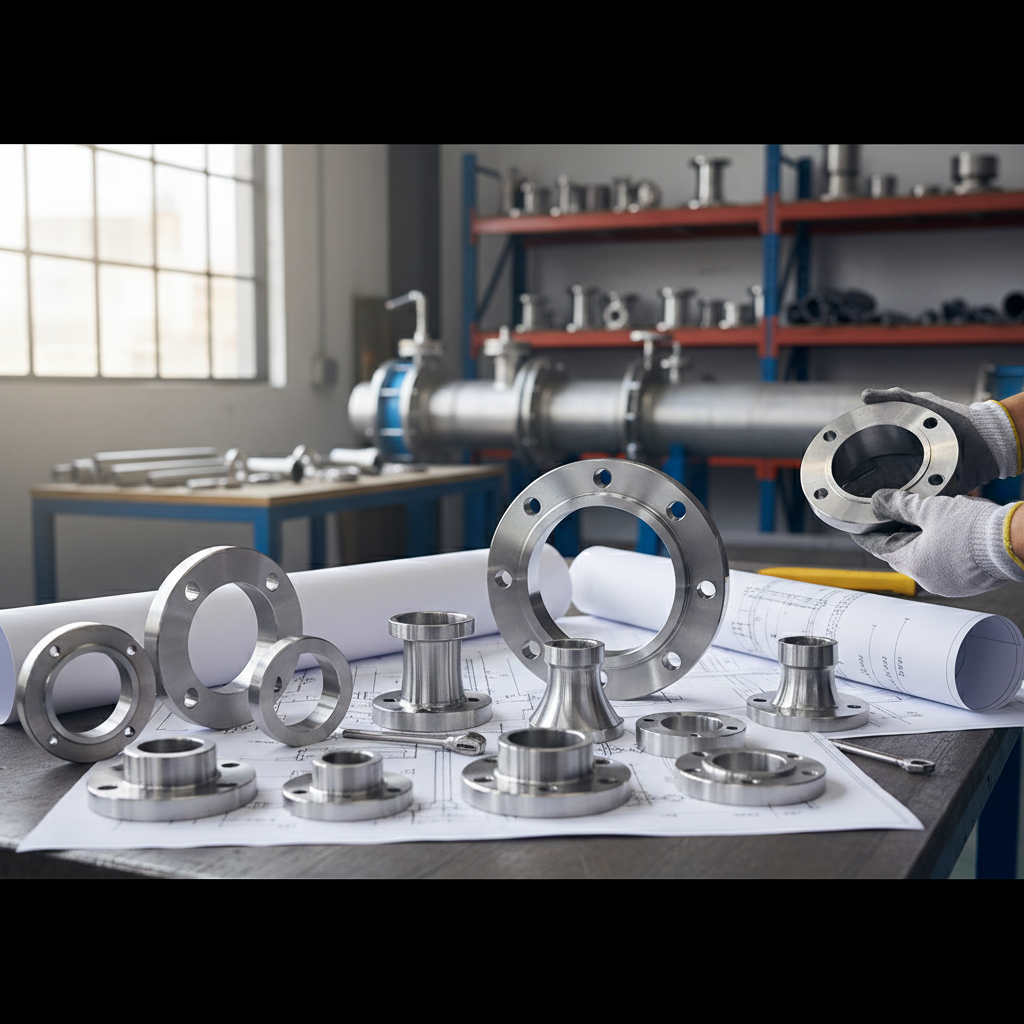
Certifications also play a significant role in the selection process. Having flanges that meet
ISO (International Organization for Standardization) certifications ensures that they are manufactured
in compliance with internationally recognized quality standards. Additionally,
look for flanges that are certified for specific applications, such as those that require compliance with
NACE (National Association of Corrosion Engineers) guidelines for corrosion resistance in harsh environments.
By focusing on these industry standards and certifications, you can select the right stainless
flanges that meet both safety and performance requirements for your project.
Evaluating the Impact of Cost and Quality on Choosing Stainless Flanges
When selecting stainless flanges for your project, evaluating the impact of cost and quality is crucial. The balance between these two factors can significantly influence the overall success of your project. Investing in high-quality flanges often means higher upfront costs, but it can lead to improved durability and performance. High-quality stainless steel flanges resist corrosion and can withstand high pressures, which is essential in critical applications like oil and gas pipelines or food processing.
On the other hand, while lower-cost options may seem attractive, they can lead to long-term expenses due to frequent replacements or maintenance issues. It's important to assess the specific requirements of your project, including operating conditions and regulatory compliance, to determine the right balance. Thoroughly researching manufacturers and selecting flanges that meet both quality standards and budget constraints will ensure a more reliable outcome in the long run, ultimately contributing to the project’s overall success.
Top Stainless Steel Flange Manufacturers and Their Market Share in 2025
In 2025, the stainless steel flange market is projected to experience significant growth, driven by increasing demand across various industries, including oil and gas, petrochemicals, and construction. Industry reports suggest that the global stainless steel flange market will reach approximately $4.5 billion, with a compound annual growth rate (CAGR) of around 5.2% from 2021 to 2026. This growth is largely attributed to the rise in infrastructure projects and the need for durable, corrosion-resistant materials in harsh environments.
Among the top manufacturers leading the market share, companies such as Tenneco Inc., Jindal Saw Ltd., and McWane, Inc. are prominent players. Tenneco, for example, is anticipated to capture a significant portion of the market due to its innovative manufacturing processes and a strong focus on quality assurance. Jindal Saw Ltd., another major contributor, has expanded its production capacities to meet the burgeoning international demand, particularly in Asia and North America. These manufacturers are not only enhancing their product offerings but also investing in advanced technologies to improve flange performance and reduce costs, positioning themselves effectively in a competitive landscape.
Market Share of Stainless Steel Flange Manufacturers in 2025