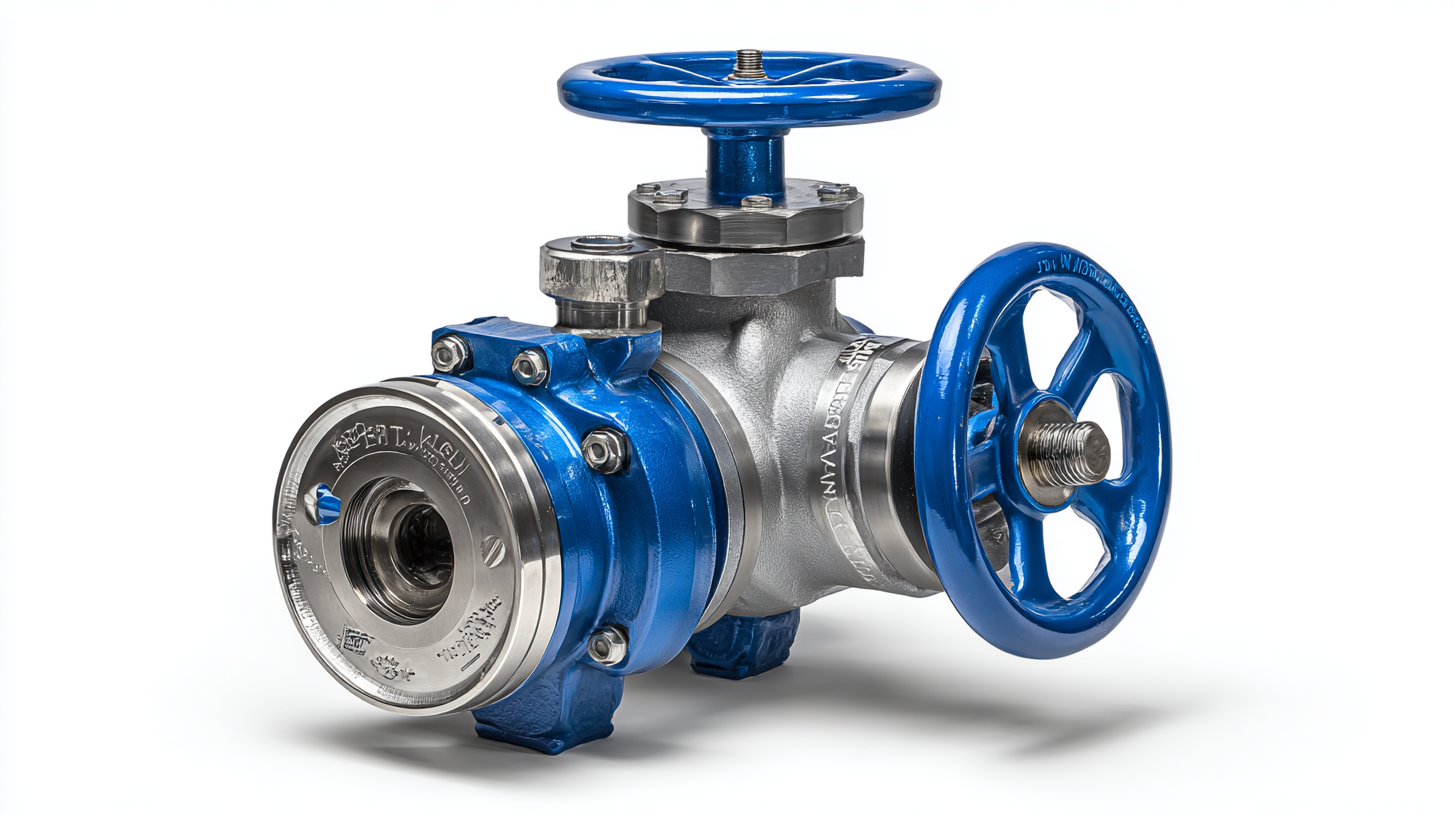
How to Choose the Right Globe Valve for Your Industrial Applications
In industrial applications, the selection of globe valves is critical for effective process control and system reliability. According to a report by the Global Valve Market Research Institute, the demand for globe valves is projected to grow at a compound annual growth rate (CAGR) of 4.3% between 2021 and 2026, driven by the expanding oil and gas, water and wastewater, and power generation sectors. Globe valves are renowned for their exceptional throttling capabilities, making them a preferred choice for systems requiring precise flow regulation.
 However, with the variety of designs, materials, and sizes available, choosing the right globe valve can be a complex decision. Factors such as pressure rating, temperature ranges, and compatibility with the fluid media must be carefully considered to ensure optimal performance and longevity in demanding industrial environments. This guide will provide essential insights into selecting the most suitable globe valve for your specific needs.
Factors to Consider When Selecting Globe Valves for Industrial Needs
When selecting the right globe valve for industrial applications, several critical factors must be considered to ensure optimal performance and efficiency. First, understanding the specific requirements of the application, such as pressure, temperature, and the type of media being handled, is essential. Globe valves are particularly advantageous in applications requiring precise throttling and flow control. Therefore, evaluating the operating conditions and the valve’s characteristics, such as its body material and sealing mechanisms, is crucial for compatibility and durability.
Another consideration is the market trends affecting the industrial valve sector, including projected growth rates for specific markets like cryogenic and oil and gas applications. The cryogenic valve assembly market is anticipated to reach USD 7.21 billion by 2029, indicating a robust demand for valves designed to operate in extreme conditions. Similarly, the industrial valves market overall is expected to grow significantly, driven by advancements in technology and the push for more efficient systems. Engaging with current market data can further guide decision-making in selecting the most suitable globe valve for specific industrial needs, ensuring that investments align with future trends and technological advancements.
Understanding Different Types of Globe Valves and Their Applications
Globe valves are essential components in various industrial applications, primarily used for regulating flow. Understanding the different types of globe valves is crucial for selecting the right one for your specific needs. The most common types include straight pattern, angle pattern, and trim globe valves. Each type has distinct characteristics that make it suitable for various scenarios. For instance, straight pattern globe valves typically offer lower pressure drop and are ideal for throttling services, while angle pattern valves can provide better flow direction changes, reducing turbulence.
Additionally, globe valves can vary based on their materials and construction, affecting their suitability for diverse environments. Cast iron and stainless steel are popular choices, with the latter being preferred for corrosive applications. Furthermore, considerations such as temperature, pressure ratings, and the medium being controlled also play a significant role in the selection process. By understanding the specific types and their applications, engineers and operators can make informed decisions, ensuring optimal performance and longevity of the valve within their industrial systems.
Key Performance Metrics for Evaluating Globe Valves in Industry
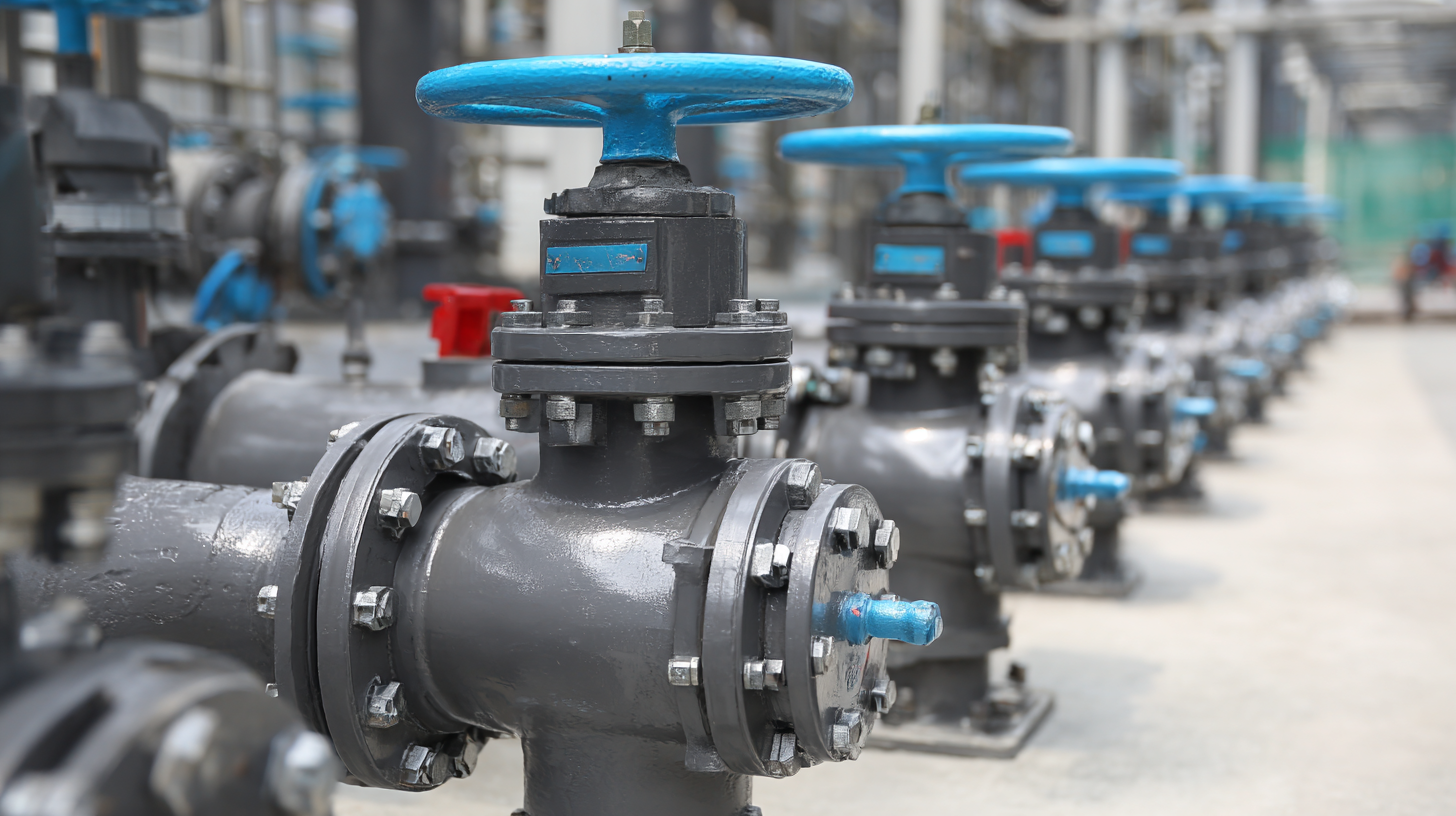 When selecting a globe valve for industrial applications, understanding key performance metrics is essential for ensuring operational efficiency and reliability. According to a report by the International Journal of Industrial Valves, pressure drop is one of the most critical performance indicators. A well-designed globe valve can achieve a pressure drop coefficient (Kv) of around 0.5 to 0.7, which is significant for minimizing energy loss in piping systems. Operators should evaluate the valve's ability to maintain flow control while minimizing turbulence, which can lead to premature wear.
Another important consideration is the material construction of the valve. The choice of materials affects not only the valve's durability but also its resistance to corrosion and thermal stress. A study by the Valve Manufacturer's Association indicated that approximately 40% of globe valves fail within the first five years due to improper material selection for specific service conditions. Furthermore, temperature ratings should align with the intended operating environment; common temperature ratings can range from -40°F to 400°F depending on the materials used, thereby influencing application performance and safety.
Lastly, the actuator type plays a pivotal role in the operational efficiency of globe valves. Electric actuators, for instance, provide faster response times and greater precision, leading to improved process control. Data from the Global Actuator Market Report shows that electric actuators account for about 30% of the market share, reflecting the industry's shift towards automation and enhanced operational capabilities. By thoroughly evaluating these performance metrics, industrial operators can make informed decisions to choose the right globe valves for their specific applications.
Material Selection: Ensuring Compatibility with Process Fluids in Globe Valves
When selecting a globe valve for industrial applications, material compatibility with the process fluids is a crucial aspect that must not be overlooked. Different fluids can have varying effects on materials, leading to corrosion, erosion, or contamination. For instance, corrosive chemicals such as acids or alkalis require valve materials that are resistant to degradation, such as stainless steel or specialized alloys. It's essential to assess the chemical composition of the fluid and the operating environment to make an informed decision.
Additionally, temperature and pressure conditions play significant roles in material selection. High temperatures may necessitate the use of materials that can withstand thermal stress without compromising structural integrity. Likewise, the pressure of the fluid can impact the performance of the valve materials, potentially leading to failures if not properly matched. Therefore, conducting thorough compatibility testing and considering the long-term implications of the chosen material will enhance the reliability and efficiency of the globe valve in industrial applications.
Material Selection in Globe Valves for Industrial Applications
Maintenance and Longevity: Choosing Globe Valves for Optimal Operational Life
When selecting a globe valve for industrial applications, maintenance and longevity should be at the forefront of your decisions. Globe valves are known for their ability to provide fine control over flow, but their effective operational life hinges on proper material selection, design, and maintenance practices. Using high-quality materials resistant to corrosion and wear will significantly extend the lifespan of your valves, ensuring they operate reliably in demanding environments.
Tips for Maintenance: Regular inspections are essential to identify any wear or damage to the valve components. Consider a schedule that aligns with your operational demands to mitigate potential failures. Additionally, keeping the valve clean and lubricated will enhance its functionality and prevent the build-up of debris that could impair performance.
Choosing the right size and pressure rating for your specific application is another critical factor that influences longevity. Undersized or oversized valves may lead to increased wear and tear, ultimately reducing their service life. Always consult with experts and refer to industry standards when making your selection to ensure optimal operational performance.