How to Choose the Best Water Analysis Instrument for Accurate Testing?
Choosing the right Water Analysis Instrument can significantly impact the accuracy of your tests. Dr. Emily Waters, an expert in water quality analysis, emphasizes, “The precision of your measurements depends heavily on the instrument you choose.” Accurate testing is crucial, especially in industries like agriculture and environmental monitoring.
When selecting a Water Analysis Instrument, consider what specific parameters you need to measure. Different instruments cater to various needs. You want reliable data to make informed decisions. If you're testing for contaminants, a multi-parameter device might be necessary. It's not enough just to have a tool; understanding its capabilities is essential.
Additionally, reflect on the usability of the device. Some instruments may be accurate but complicated. Search for one that balances precision and ease of use. An instrument that is challenging to operate might lead to errors. Always seek credible sources and reviews before making a purchase. Your choice in a Water Analysis Instrument can shape your outcomes significantly.
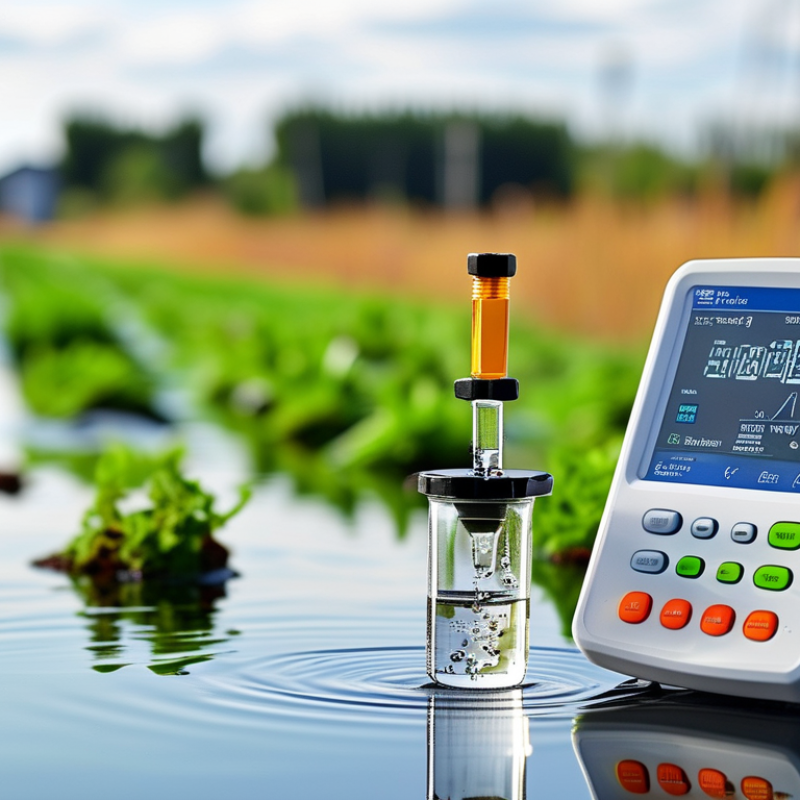
Understanding the Importance of Water Analysis Instruments
Water analysis instruments play a crucial role in ensuring the quality of water. Their accuracy can significantly impact health, safety, and the environment. With an increase in water pollution, having reliable instruments is more important than ever. They help detect contaminants and assess water suitability for various uses. Inadequate testing may lead to harmful consequences, highlighting the urgency of proper evaluations.
Choosing the right instrument requires understanding your specific testing needs. Consider factors like the types of contaminants you wish to analyze. Instruments can vary in sensitivity and precision. Ensure you check their user manuals for guidelines on usage and calibration.
Tips: Always ensure the instrument is calibrated before testing. Regular maintenance of the device can prevent inaccuracies. Be mindful of potential cross-contamination from other samples. Test results may vary based on temperature and environment. Having a consistent testing procedure is essential for reliable outcomes.
How to Choose the Best Water Analysis Instrument for Accurate Testing?
| Instrument Type | Measurement Parameters | Accuracy (% | Price Range (USD) | User Level |
| Portable pH Meter | pH, Temperature | ±0.01 | 50 - 200 | Beginner |
| Multi-Parameter Meter | pH, EC, TDS | ±0.5 | 100 - 300 | Intermediate |
| Spectrophotometer | Nutrients, Metals | ±1% | 500 - 2000 | Advanced |
| Conductivity Meter | Conductivity, TDS | ±2% | 70 - 400 | Beginner |
| Water Quality Analyzer | Multiple parameters | ±0.5% | 1000 - 5000 | Professional |
Key Factors to Consider When Selecting Water Testing Equipment
Choosing the right water testing equipment requires careful consideration of several key factors. One important aspect is the type of analysis needed. Different instruments serve specific purposes, such as measuring pH, turbidity, or contaminants. Understanding your requirements can save time and resources.
Accuracy is another crucial factor. Instruments should have reliable calibration options. Regular maintenance ensures consistent performance. However, users often overlook this, leading to inaccurate results. Consider the ease of use as well. A complex instrument may hinder timely analysis, especially for non-experts.
Think about portability too. Some tests require immediate results in the field. A lightweight, portable device can greatly enhance flexibility. Lastly, budget considerations are unavoidable. High costs do not always guarantee better accuracy. An informed choice balances performance and affordability. This approach fosters trust and reliability in water analysis.
Water Quality Analysis: Key Parameters to Consider
Types of Water Analysis Instruments and Their Applications
When selecting a water analysis instrument, understanding the types available is crucial. pH meters are common tools for measuring acidity and alkalinity levels in water. They provide quick and reliable readings, essential for ensuring water is safe for consumption. According to a report from the American Water Works Association, over 75% of water treatment facilities utilize pH meters regularly. This highlights their significance in water quality management.
Another important instrument is turbidity meters. They measure the clarity of water by assessing how much light is scattered by particles. High turbidity levels can indicate contamination. In fact, a study by the World Health Organization found that turbid water is 10 times more likely to contain pathogens. This makes turbidity meters vital in both drinking water and wastewater testing.
Dissolved oxygen meters are also critical for evaluating water quality, especially in aquatic environments. They measure the amount of oxygen available to aquatic life. Low oxygen levels can harm fish and other organisms. Research indicates that maintaining adequate dissolved oxygen levels can prevent fish kills in natural habitats. Each category of these instruments serves a specific role, emphasizing the need for accurate testing in water analysis.
Evaluating Accuracy and Reliability of Water Testing Devices
When selecting water testing devices, accuracy and reliability are paramount. Water quality impacts health and industry alike. A reliable instrument ensures valid results, guiding necessary actions. Different devices have varying sensitivity levels. Understanding this is crucial for informed choices.
Consider the calibration frequency of your chosen instrument. Some might require daily adjustments, leading to potential inaccuracies. Testing under various conditions can also reveal discrepancies. Results can vary based on temperature and sample handling. Evaluating these factors helps in understanding the instrument's reliability.
User feedback plays a vital role as well. Reviews often highlight real-world performance and issues you might face. While specifications look impressive on paper, practical experiences provide valuable insights. Engaging with experienced users allows for deeper understanding. Learning from their challenges can enhance your decision-making process.
Cost Considerations and Budgeting for Water Analysis Tools
When considering the cost of water analysis instruments, budgeting becomes crucial. Prices can widely vary, influenced by features and technology. A basic pH meter may cost around $100. In contrast, advanced spectrophotometers can exceed $10,000. Understanding the range of instruments available helps in making informed decisions.
Maintenance and operational costs are also critical. Regular calibration and consumables can add to your expenses. A 2022 report indicated that over 40% of instrument users underestimate these ongoing costs. It's essential to factor in both initial and long-term expenses to avoid overspending.
Before making a purchase, assess the frequency of use. If testing is infrequent, cheaper portable devices may be sufficient. For labs performing constant analysis, investing in high-end equipment might be sensible. A careful evaluation aligns your budget with your needs and ensures more accurate results. Misjudging these aspects can lead to wasted resources and flawed testing.