How to Choose Alkaline Water Hydrogen Production Equipment
Choosing Alkaline Water Hydrogen Production Equipment is a process-design decision, not simply a comparison of quoted output. The International Energy Agency’s Global Hydrogen Review 2024 estimates that hydrogen demand reached nearly 100 million tonnes in 2023, while low-emissions hydrogen remained below 1% of production. That gap makes equipment performance, energy use, and dependable operation especially important.
Start with the duty the system must perform. Define the required hydrogen flow, outlet pressure, purity, and operating hours before comparing suppliers. Then check stack efficiency, expected service intervals, water-treatment needs, and the equipment’s ability to follow changes in renewable power. A datasheet may show a promising efficiency figure, but operating temperature, load, and balance-of-plant equipment affect real-world consumption. Details matter.
The IEA also reports that installed electrolyser capacity reached about 1.4 GW globally by the end of 2023. This is a growing market, but project experience and supplier support still vary. Ask vendors for independently verifiable performance data, reference installations, warranty terms, and clear maintenance requirements. For alkaline systems, inspect the electrolyte handling arrangement, separator design, gas purification stages, and controls—not just the stack. Safety engineering deserves equal attention.
No single specification settles the choice. A unit suited to steady industrial power may not fit a site with frequent renewable fluctuations. This guide explains how to compare Alkaline Water Hydrogen Production Equipment against practical project needs, while recognizing that published figures rarely capture every operating condition. That uncertainty is worth taking seriously.
Understanding Alkaline Water Hydrogen Production Equipment
Understanding Alkaline Water Hydrogen Production Equipment
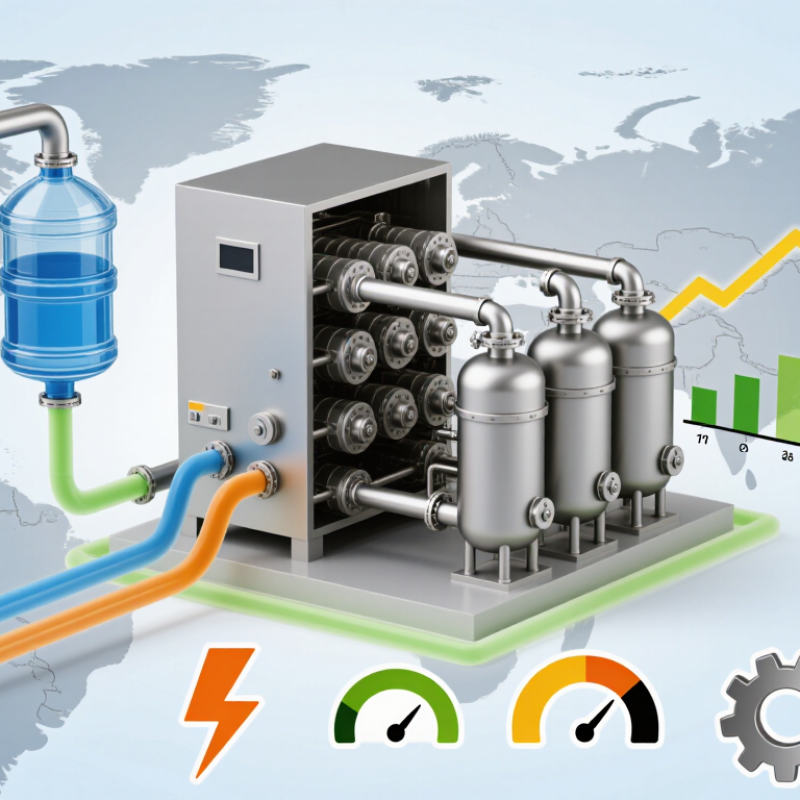
Understanding an alkaline hydrogen system means looking beyond its electrolyzer stack. The equipment typically includes a power supply, electrolyte circulation loop, gas-liquid separators, cooling, water treatment, and controls. Inside the stack, electricity splits water into hydrogen and oxygen in an alkaline solution. Each component affects operating stability, maintenance needs, and the quality of the output gas.
The International Renewable Energy Agency’s Green Hydrogen Cost Reduction report gives alkaline electrolyzer energy consumption as roughly 50–78 kWh per kilogram of hydrogen. Treat this as a technology range, not a guaranteed whole-plant figure. That matters. Real consumption depends on operating conditions and which auxiliaries the calculation includes. I would not compare supplier efficiency claims without checking their measurement boundaries.
The International Energy Agency reported global hydrogen production of about 97 million tonnes in 2023, while low-emissions production remained below one million tonnes. This context makes equipment performance worth examining carefully. Check the intended load profile, water-quality requirements, pressure, separation performance, and service access. Not just the stack. A practical review should also ask how the system handles start-stop operation and heat removal. Those details can be overlooked in a neat specification sheet. Reports cited: IRENA, Green Hydrogen Cost Reduction (2020); IEA, Global Hydrogen Review 2024.
Defining Hydrogen Output and Application Requirements
Before comparing alkaline water hydrogen production equipment, define the hydrogen output your application needs. A bench trial may require only a modest, steady supply; a continuous process may need higher flow and longer operating hours. Start with demand. Record peak use, average use, and expected daily runtime. Then compare equipment ratings in consistent units, such as milliliters per minute or liters per hour. Check the stated pressure and test conditions, too. A flow figure without context can be misleading.
For hydrogen-enriched water, gas production rate and dissolved hydrogen concentration are different measures. The first describes what the equipment generates; the second describes what remains in the water at the point of use. Water temperature, contact time, and transfer design can affect that result. Ask how output was measured, and use a suitable meter to verify performance under your own operating conditions. Small details matter. Also account for feed-water quality, cleaning intervals, ventilation, and protective controls. A system that meets peak demand but runs constantly may not suit your site. I would leave some capacity margin, though estimates are rarely perfect. Recheck the numbers after a pilot run, when real operating patterns become clearer.
How to Choose Alkaline Water Hydrogen Production Equipment
Define the required hydrogen output before selecting equipment.
These are illustrative sizing scenarios, not universal application standards. Estimated average electrical input uses 52 kWh per kilogram of hydrogen; actual consumption depends on system design and operating conditions. Confirm peak demand, operating hours, purity, pressure, and storage needs before choosing equipment.
Comparing Core System Components and Operating Specifications
Choosing alkaline water hydrogen production equipment means comparing the complete process, not just the electrolyzer stack. The stack sets the basic production capacity and operating range. Check rated hydrogen flow, cell temperature, pressure, and current density. Compare figures measured under similar conditions; otherwise, two capacity claims may not mean the same thing.
The power supply should provide stable, controllable direct current. Ask how energy use is reported, including whether pumps and cooling are counted. Water preparation matters too. Review feedwater requirements, filtration, and monitoring points, since mineral buildup can affect cell performance. Small details count. Inspect the gas-liquid separator and drying stage for stated outlet moisture and purity limits. These specifications should match the intended downstream process.
Controls and safety instruments shape daily operation. Compare sensor coverage, alarm functions, shutdown behavior, and the time needed to reach steady output. Also check the expected duty cycle and maintenance intervals. A compact unit may save floor space but leave less room for service access. On paper, the numbers look tidy; real feedwater and ambient conditions are less predictable. I would leave room for that uncertainty when comparing quoted efficiency and output, rather than treating one test result as a guarantee.
Selecting a Supplier and Verifying Equipment Performance
When choosing alkaline water hydrogen production equipment, assess the supplier’s technical knowledge and after-sales support, not just the quoted price. Ask for a datasheet stating rated hydrogen output, operating pressure, power use, water-quality requirements, and test conditions. Request material specifications for wetted components and clear maintenance intervals. A reliable supplier should explain how the unit behaves during startup and under changing loads. Vague answers matter.
Before purchase, agree on a practical acceptance test. Record the supply voltage, current, water temperature, pressure, and feed-water condition. Measure hydrogen flow with a suitable calibrated meter, and verify gas quality with an appropriate analyzer. Compare results with the supplier’s stated figures under the same conditions. A display reading alone does not confirm actual output. Have a qualified technician inspect connections and check for leaks during commissioning. One successful test is reassuring, not conclusive; performance can shift as components age, and I may be too cautious here. Still, keep dated readings and service records. Confirm that replacement parts and technical help will remain available.
Tips: Ask the supplier to demonstrate the test procedure before delivery. Keep a simple log of output and maintenance. Small details count.