How to Choose the Right Combination Bolt for Your Needs?
Choosing the right Combination Bolt is crucial for various applications, from securing outdoor equipment to protecting sensitive machinery. According to industry reports, around 30% of security failures occur due to inadequate locking mechanisms. Understanding the unique features of combination bolts can significantly enhance security and reliability.
Many factors contribute to the effectiveness of a combination bolt. The size, material, and locking mechanism all play critical roles. For example, steel combination bolts can resist cutting and weather elements better than other materials. A survey indicated that users prioritize compatibility with their equipment, highlighting the importance of selecting the right type.
It’s vital to evaluate product specifications and manufacturer reputations. Some combination bolts may have weaknesses in their design or durability. Users should consider their specific needs, preferences, and any potential shortcomings of a selected model. The right choice can provide peace of mind, while the wrong choice may lead to costly failures.
Understanding Combination Bolts: Types and Mechanisms
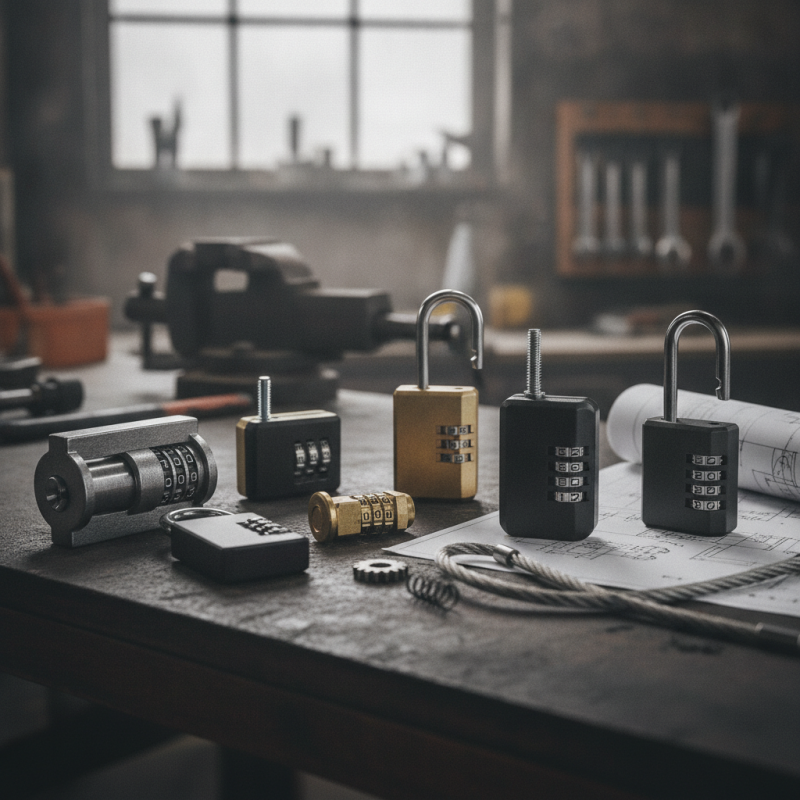
Combination bolts come in various types, each designed for specific applications. Understanding their mechanisms can help you make the right choice. Mechanical combination bolts use rotating discs or gears to lock in a code. These are often found in storage lockers and toolboxes. The simplicity of their design allows for easy reset options. However, users may find it challenging to remember complex codes.
On the other hand, electronic combination bolts often feature touchpads or smartphone connectivity. These bolts provide convenience but can be vulnerable to battery failures. It’s important to consider the reliability of power sources for electronic models. An accidental key press might lead to a frustrating lockout situation. Knowing the trade-offs between mechanical and electronic options is essential.
You might prefer a simple design but find that it compromises security. Alternatively, a sophisticated electronic model could overwhelm you with features. Factor in your comfort, environment, and usage frequency. Not all combination bolts suit every situation, and careful reflection is necessary to avoid future inconveniences.
Key Considerations for Selecting the Right Size and Security Level
When selecting a combination bolt, size and security level are crucial. The size must fit your locking needs. Measure the diameter and length needed for effective use. A bolt that is too small might be easily manipulated. Conversely, an oversized bolt can be cumbersome and impractical.
Security levels are not uniform. They can vary significantly between different types of combination locks. Consider the environment where the bolt will be used. For high-risk locations, invest in a bolt with higher security features. Look for models that offer advanced locking mechanisms, which are harder to bypass. Also, evaluate the ease of remembering combinations. A complex code might seem secure, but it can lead to frustration.
Don’t overlook the user experience. A secure bolt should provide peace of mind without complicated usage. It’s common to choose a lock based solely on price or appearance. Reflect on whether those choices truly meet your security needs. Consider reviews and user feedback to gauge reliability, as not every available option will perform well in real situations. Adjust your selections based on actual requirements, not just assumptions.
How to Choose the Right Combination Bolt for Your Needs? - Key Considerations for Selecting the Right Size and Security Level
| Feature | Consideration | Recommended Range |
| Bolt Length | Determine the thickness of the materials to be secured. | 2" - 6" |
| Shackle Width | Ensure compatibility with the hasp or securing mechanism. | 1/2" - 1" |
| Security Level | Assess the threat level based on the location. | Low, Medium, High |
| Weather Resistance | Consider where the bolt will be used: indoor vs. outdoor. | Galvanized, Stainless Steel |
| Code Compliance | Check local regulations for locking mechanisms. | As per local building codes |
Assessing Material Durability and Weather Resistance for Your Needs
Choosing the right combination bolt involves careful consideration of material durability and weather resistance. These factors ensure that the bolt performs well in various conditions. The right material can prevent corrosion, while the incorrect one may lead to rust. Stainless steel is often a solid choice for outdoor use, but it's essential to consider its grade. Some grades resist harmful elements better than others.
Tips: Check the environment. If you are in a coastal area, look for higher-grade stainless steel. This can save you from frequent replacements. For inland areas, galvanized bolts may suffice.
Different materials exhibit various strengths. For example, nylon bolts can offer excellent weather resistance but might lack strength. Consider your specific needs before making a decision. Seek bolts that provide the required strength without compromising on durability.
Tips: Examine product specs closely. This can help you identify the right features. Aim for a balance between strength and weather resistance, as this ensures longevity. Reflect on past experiences with bolts failing in critical applications. Would a different material choice have changed that outcome?
Comparing Price Points and Brand Reliability in Combination Bolts
When selecting a combination bolt, price and brand reliability are vital considerations. High-quality bolts usually come at a higher cost. However, it's crucial to find a balance between affordability and durability. Cheaper options might save money initially but may lack longevity and security. Some less-known brands could offer budget options, yet it’s essential to research their reputation.
Brand reliability often stems from customer feedback. Look for reviews from users who have tested the bolts in real-world situations. Their experiences can reveal both strengths and weaknesses. A highly-rated bolt may still show poor performance under extreme conditions, a factor worth noting. Be cautious of flashy marketing; sometimes, it oversells the product's capabilities.
While researching, also consider warranty details. A strong warranty can indicate manufacturer confidence. However, some brands may offer extensive warranties without backing them with solid products. This inconsistency can lead to regret later on. Take time to weigh options. Understanding what you need versus what's available will guide you to the right choice.
Installation Tips for Optimal Performance and Security of Combination Bolts
When installing combination bolts, proper placement is crucial. Ensure the lock is positioned at a comfortable height. If it's too low, it might be hard to access. Too high, and you risk awkward angles when turning the dial. Consider the environment; weather exposure can affect the bolt's longevity.
Regular maintenance ensures optimal performance. Clean the bolt and lubricate it often. Neglect can lead to rust and binding, making it hard to turn. Pay attention to the mechanism. If it becomes difficult to operate, it may require professional evaluation. Always test the combination after adjusting to ensure it works smoothly.
Security is not just about the bolt. Check the surface it's mounted on. Weak mounting surfaces can compromise even the best locks. Reinforce the area if necessary to enhance overall security. Reflect on your choice; sometimes, a different lock type might better suit your needs.