Why Choose an Automated Storage System for Your Business?
In today’s fast-paced business environment, efficiency is key. Many organizations are turning to the Automated Storage System to streamline their operations. Emily Carter, a noted expert in logistics technology, emphasizes this shift. “Automated systems are revolutionizing how businesses manage storage,” she states. This technology has transformed traditional warehousing methods by reducing human error and increasing retrieval speed.
An Automated Storage System minimizes wasted space and maximizes efficiency. These systems can store various items compactly, allowing for a more organized workspace. Moreover, they offer quick retrieval solutions that boost productivity. Companies adopting this technology often report significant improvements in order fulfillment accuracy and turnaround times.
However, implementing an Automated Storage System is not without challenges. It requires a thoughtful approach to integration with existing workflows. Businesses must consider the costs and potential disruption during installation. Yet, when executed correctly, the benefits can far outweigh these initial hurdles, leading to long-lasting improvements in operational efficiency.
Key Benefits of Automated Storage Systems for Businesses
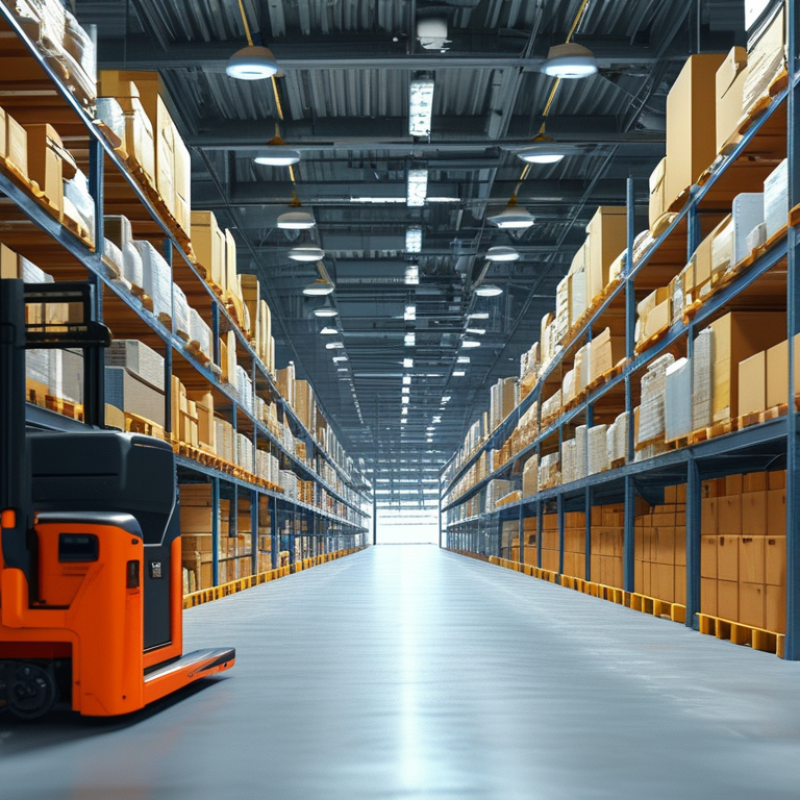
Automated storage systems are transforming the landscape of business operations. These systems can enhance efficiency and reduce operational costs significantly. According to a report from the Warehousing Education and Research Council, companies using automated storage solutions can reduce retrieval times by as much as 60%. This is crucial in industries with high volume inventory turnover.
Moreover, implementing automation can lead to a 30% reduction in labor costs. The Robotics and Automation News indicates that businesses report decreased need for manual labor in warehousing operations. This not only cuts expenses but also lowers human error rates. Fewer mistakes mean better accuracy in inventory management, leading to increased customer satisfaction.
However, it's important to consider the initial investment for these systems. Some businesses may hesitate due to upfront costs and potential disruptions during installation. The transition to automation requires careful planning and adaptation. According to a study by McKinsey & Company, businesses must understand their specific needs before choosing any system. Addressing these challenges thoughtfully can yield significant long-term benefits.
How Automated Storage Increases Efficiency and Reduces Costs
Automated storage systems are becoming essential for businesses looking to improve efficiency. According to a report by the Warehousing Education and Research Council, companies implementing automated systems can increase storage density by 40%. This increase leads to reduced operational costs and enhanced productivity.
Automation streamlines inventory management. It minimizes human error, which can lead to lost items or misplaced stock. Research indicates that automated systems reduce picking errors by over 70%. This means faster order fulfillment. In turn, satisfied customers often lead to repeat business.
Adopting an automated storage solution can seem daunting. Here are some tips: Assess your current inventory flow closely. Identify bottlenecks in your process. Also, consider the scalability of the system for future growth. It's essential to choose an option that adapts with your business needs. Investing in automation pays off, but proper planning is crucial for seamless integration.
Enhanced Inventory Management with Automated Solutions
Automated storage systems can revolutionize inventory management for businesses. These systems enhance accuracy and efficiency. They reduce human errors that commonly lead to lost or misplaced items. The technology streamlines the picking process, making it quicker and more reliable.
Tip: Analyze your current inventory workflow. Identify bottlenecks that automation could solve. Small adjustments can lead to big improvements.
The introduction of automated solutions allows for real-time monitoring of stock levels. This transparency helps businesses make informed decisions. It can prevent overstocking or stockouts. However, implementing new technology can come with challenges. Employee training and system integration may take time.
Tip: Encourage staff to share feedback on new systems. Their insights can guide further optimizations and improve overall adoption.
Investing in automated storage aligns with modern business needs. Yet, businesses should carefully evaluate their unique requirements. Not every solution fits every situation. An informed choice leads to better results.
Why Choose an Automated Storage System for Your Business? - Enhanced Inventory Management with Automated Solutions
| Feature | Benefit | Impact on Business |
| Inventory Tracking | Real-time visibility | Improved decision making |
| Space Efficiency | Maximized storage capacity | Lower operational costs |
| Inventory Accuracy | Reduced errors | Increased customer satisfaction |
| Automation Technology | Faster retrieval times | Enhanced productivity |
| Scalability | Flexible growth options | Future-proof investments |
Scalability and Flexibility of Automated Storage Systems
As businesses grow, the need for efficient storage becomes paramount. Automated storage systems offer unmatched scalability and flexibility. According to a report from *Warehouse Efficiency Insights*, companies using automation can increase their storage capacity by up to 60% while reducing labor costs by 30%. This kind of efficiency is essential in today’s fast-paced market.
The flexibility of these systems allows businesses to adapt to changing demands. For example, an e-commerce company may experience seasonal spikes in orders. Automated storage can quickly adjust to accommodate increased inventory without the need for extensive physical changes. This adaptability is crucial, as 75% of manufacturing firms reported enhanced operational efficiency after adopting automated solutions.
However, transitioning to an automated storage system is not without its challenges. Initial costs can be significant, and the complexity of integration with existing processes might create hurdles. Businesses must weigh these factors carefully. It’s essential to conduct a thorough needs assessment before making such a significant investment. Ultimately, the goal should be to create a storage solution that can grow alongside business demands, ensuring sustainability and operational excellence.
Improving Safety and Reducing Labor Risks with Automation
Automated storage systems can significantly improve workplace safety. According to a recent industry report, automated solutions reduce workplace injuries by up to 30%. In environments where heavy lifting is common, such as warehouses, the risks associated with manual handling are substantial. Automation transfers these tasks to machines, significantly lowering the chance of employee injuries.
Moreover, reducing labor risks with automation goes beyond just physical safety. Workers no longer face the constant stress of repetitive tasks. A recent survey conducted by logistics experts found that over 40% of employees expressed increased job satisfaction after implementing automation. While many companies transition, challenges remain. It’s important to balance technology with human oversight. Striking the right equilibrium is crucial in fostering a safe and efficient work environment.
The financial implications of adopting automated systems also merit attention. A report published by an industry research firm indicated that operational costs could decrease by 20% due to fewer injuries and enhanced productivity. However, implementation costs can be high, and not all companies see immediate returns. Evaluating both the potential benefits and the challenges is essential for making informed decisions.
Automated Storage System Benefits