Best Valves Fittings for Optimal Performance in Your Projects?
In the world of engineering and construction, the importance of valves fittings cannot be overstated. These components play a critical role in fluid control and system efficiency. Choosing the right valves fittings is essential for achieving optimal performance in your projects. However, the multitude of options available can be overwhelming.
Valves fittings come in various types and sizes. Each type serves a specific purpose, which can significantly impact your project's success. Selecting the wrong components might lead to inefficiencies or even failures. Knowledge of flow rates, pressure requirements, and material compatibility is key. Experienced professionals understand these factors intimately.
While it is tempting to opt for the cheapest options, this can be shortsighted. Investing in quality valves fittings can prevent costly repairs down the road. Reflection on past mistakes may highlight the importance of proper selection. Your project's long-term success depends on these seemingly small decisions.
Understanding the Different Types of Valves and Fittings Available
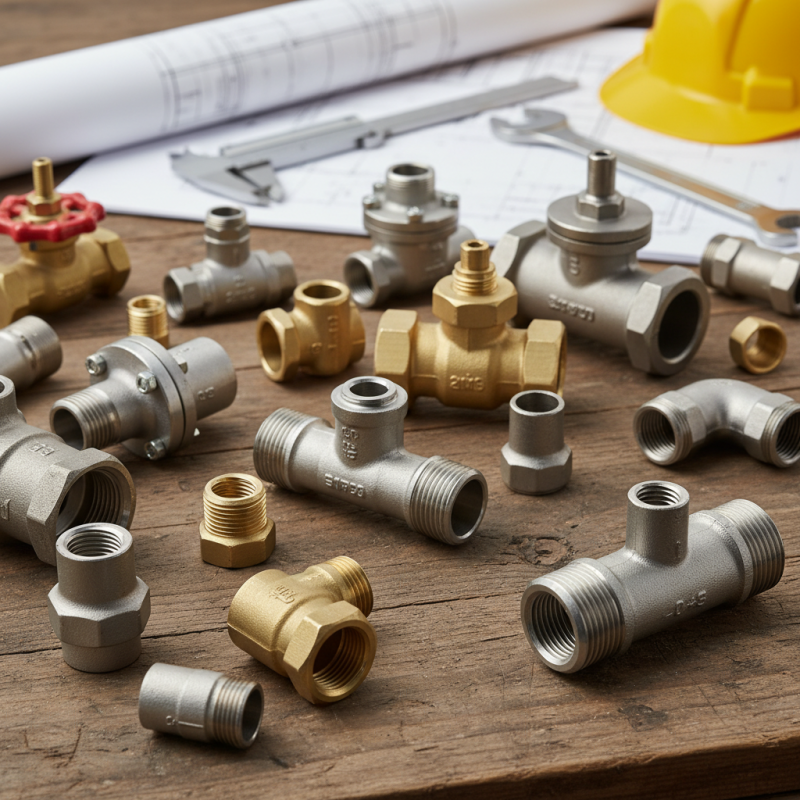
When selecting valves and fittings, understanding their types is crucial for project efficiency. Ball, gate, and globe valves are common types used across industries. Ball valves are known for their quick operation. They provide reliable sealing, often made from robust materials such as stainless steel. Globe valves allow for fine regulation of flow but can create pressure drops. According to a recent industry report, over 40% of project failures are linked to improper valve selection.
Fittings, such as elbows and tees, are equally important. They connect sections of piping and can affect overall flow rates. For instance, using a 90-degree elbow can reduce flow efficiency by up to 30% compared to a straight pipe. In contrast, a smoother, gradual bend can enhance performance and reduce turbulence. Many engineers overlook these factors during planning, leading to potential inefficiencies.
It's essential to balance performance with cost. While high-quality materials might demand a higher upfront investment, they often lead to long-term savings. The total cost of ownership considers reliability, maintenance, and lifespan. A well-informed choice can surpass the initial price tag, enhancing overall project success.
Factors to Consider When Choosing Valves and Fittings for Your Projects
Choosing the right valves and fittings is crucial for project success.
The performance of your systems relies heavily on these components. When selecting valves, consider the type of fluid that will flow through them.
Different fluids require specific materials to prevent corrosion and wear. Temperature ranges are also vital.
Ensure the selected fittings can handle the maximum and minimum temperatures of your project.
Tips: Always assess the compatibility of your valve materials with the fluid.
Conduct thorough research or consult industry experts to avoid costly mistakes.
Another factor to consider is pressure ratings. Valves and fittings must meet the pressure requirements of your system.
Using components that can't withstand the pressure can result in failures. Think about future needs as well.
Selecting adjustable or scalable options allows for future modifications without complete replacements.
Tips: Check for certifications on valves and fittings.
This ensures they meet safety and performance standards. Sometimes, the cheapest options can lead to expensive repairs later.
Material Compatibility: Selecting the Right Valves and Fittings
When it comes to selecting valves and fittings, material compatibility is crucial. Different materials react differently under various conditions. For example, metal fittings can corrode when exposed to certain chemicals. Understanding these interactions helps prevent costly failures in projects.
Choosing the right material is not straightforward. Factors like temperature, pressure, and chemical exposure play a role. For instance, plastic fittings may handle certain acids well, but their viability drops in high-temperature conditions. This inconsistency can lead to leaks and downtime.
Many project managers overlook the importance of these details. Ignoring material compatibility can lead to project delays and increased costs. Therefore, careful consideration is essential in achieving optimal performance. It’s not just about picking the cheapest option; durability and reliability must also influence decisions. Making informed choices now can save future headaches.
Best Valves Fittings Material Compatibility Analysis
Evaluating Performance: How to Test Valves and Fittings Effectiveness
When evaluating the performance of valves and fittings, it is essential to focus on real-world testing methods. According to an industry report by the American Society of Mechanical Engineers, effective testing can reveal up to 40% inefficiencies in commonly used fittings. A pressure drop test is a fundamental method; it measures how much pressure is lost as fluid flows through the system. This can indicate whether fittings are too restrictive or if valves are not sealing properly.
Another critical aspect is leakage testing. A study by the Institute of Fluid Power suggests that leaks can account for nearly 20% of energy loss in industrial settings. Identifying leaks requires specialized equipment and methods, such as ultrasonic leak detectors, which can pinpoint problems without major disruptions. This approach enhances reliability and helps prevent unexpected failures.
Visual inspections and performance metrics should never be overlooked. Imperfections like corrosion or improper alignment can seriously affect performance. Regular assessments of wear and tear provide invaluable insights. Always approach these evaluations with a critical mindset. A small oversight can lead to significant performance lapses, reminding us that due diligence is key in any mechanical project.
Best Valves Fittings for Optimal Performance in Your Projects
| Fitting Type |
Material |
Pressure Rating (PSI) |
Temperature Range (°F) |
Application |
| Ball Valve |
Brass |
600 |
-20 to 200 |
Water, Oil, Gas |
| Gate Valve |
Stainless Steel |
1500 |
-50 to 450 |
Steam, Chemical Processes |
| Check Valve |
PVC |
200 |
32 to 140 |
Water Treatment |
| Globe Valve |
Cast Iron |
300 |
-20 to 300 |
Oil, Gas |
| Ball Valve |
Bronze |
400 |
0 to 150 |
Air, Water |