2026 Best Submerged Arc Welding Wire for Global Buyers?
The evolution of Submerged Arc Welding Wire has significantly influenced the welding industry. In 2026, global buyers seek the highest quality options to meet their demanding needs. According to a market analysis by Welding Research Institute, the demand for submerged arc welding continues to rise, with an expected annual growth rate of 5% over the next five years.
Expert Dr. Lisa Tran stresses the importance of material selection in this field. She states, “Choosing the right Submerged Arc Welding Wire can enhance weld quality and efficiency." This highlights the critical nature of informed choices in material selection. Quality welds are crucial for safety and durability in construction and manufacturing.
As buyers navigate the market, they face challenges. The variety of wires available can be overwhelming. Understanding specifications and applications is essential for making the right choice. Ultimately, the right Submerged Arc Welding Wire can define project success. However, buyers must also consider factors like cost and supplier reliability. This market requires careful thought and expertise.
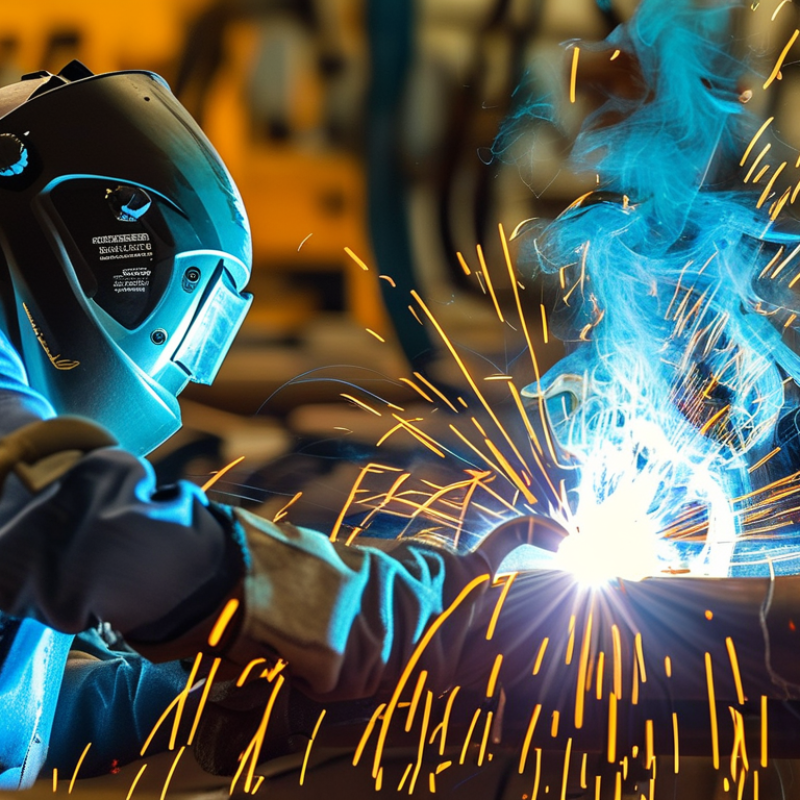
Key Features of the Best Submerged Arc Welding Wires
Submerged arc welding (SAW) is a widely used process in industries due to its efficiency and quality. Selecting the best welding wire is crucial. High-quality wires ensure excellent arc stability and penetration. These wires should have a high melting rate, which enhances productivity. They must also exhibit low spatter to reduce cleanup time.
The diameter of the wire plays a significant role in the performance. Typically, a larger diameter wire allows for a higher deposit rate. This can be beneficial for thick materials. On the other hand, a finer wire can provide more precision in intricate work. Assessing the compatibility with the base material is essential as well. The right wire composition contributes to strength and ductility.
It's important to consider the settings for feeding wire. Automatic feeding can enhance efficiency but requires precise calibration. Poor feeding may lead to inconsistent welds, which can be frustrating. Lastly, environmental factors like humidity and temperature can influence wire performance. Understanding these nuances aids in making a better choice.
2026 Best Submerged Arc Welding Wire for Global Buyers
| Wire Type | Diameter (mm) | Tensile Strength (MPa) | Chemical Composition (%) | Applications |
| SAW E71T-1 | 1.2 | 490 | Fe: Balance, Mn: 1.50, Si: 0.50 | Structural Steel, API X70 |
| SAW E81T-1 | 1.6 | 530 | Fe: Balance, Mn: 1.40, Si: 0.70 | Heavy-duty Fabrication, Shipbuilding |
| SAW E90T-1 | 1.0 | 620 | Fe: Balance, Mn: 1.60, Si: 0.50, Cr: 0.30 | Pressure Vessels, Storage Tanks |
| SAW E100T-1 | 1.4 | 680 | Fe: Balance, Mn: 1.60, Si: 0.60, Mo: 0.20 | Oil & Gas Pipelines, Offshore Structures |
Comparison of Popular Brands for Submerged Arc Welding Wire
When considering submerged arc welding (SAW) wire, several factors influence the decision-making process for global consumers. A recent industry report indicated that the welding wire market is projected to grow at a rate of 4.5% annually from 2021 to 2026. This growth is driven by increasing demand in sectors like construction and manufacturing. Understanding the characteristics of different brands can significantly impact both efficiency and cost-effectiveness.
One critical aspect is the alloy composition of the welding wire. Different compositions can yield varying results in terms of strength and corrosion resistance. For example, wires with higher manganese content often provide better weld quality but can be more expensive. According to data from industry experts, a well-chosen wire can reduce production costs by up to 15%. Therefore, assessing the specific needs of your project becomes paramount.
Moreover, the availability of support and training from manufacturers can affect usability. Many users see performance fluctuations due to a lack of proper guidance. Some manufacturers offer extensive resources, while others lack adequate training support. It is vital for buyers to reflect on these aspects before making a purchase. The right choice can make a difference in workflow efficiency.
2026 Best Submerged Arc Welding Wire Comparison
Criteria for Selecting Quality Welding Wire for Global Markets
When selecting quality submerged arc welding wire for global markets, several criteria stand out. First, the wire's chemical composition is crucial. According to a 2022 industry report by the International Welding Association, an ideal welding wire features a balanced ratio of carbon, manganese, silicon, and other alloying elements. This balance affects weld strength and resistance to cracking.
The manufacturing process is equally important. High-quality wire should be produced using stringent quality control measures. This includes checks on wire diameter, tensile strength, and elongation properties. For instance, a study published by the Welding Institute states that welding wires with inconsistent diameters can lead to poor performance. Users often report issues with arc stability and penetration when using inferior products.
Another factor to consider is the wire's usability in various applications. Different industries have unique requirements. For heavy-duty constructions, thicker wires may provide better results. However, thinner wires can be more suitable for precision work. Research shows that 70% of welders prefer wires that are easy to handle and feed. Evaluate these practical aspects alongside technical specifications to ensure the right choice for your needs.
Applications and Industries Utilizing Submerged Arc Welding
Submerged Arc Welding (SAW) is gaining traction in various industries due to its efficiency. Particularly in heavy manufacturing, the demand for robust welding processes is high. Reports indicate that the global market for SAW is projected to reach $5.89 billion by 2027. Industries such as shipbuilding, construction, and pipe fabrication heavily utilize this welding method. A study showed that SAW can achieve deposition rates of over 20 pounds per hour. This speed significantly reduces production time and overall costs.
In the construction sector, SAW is essential for steel structures. The high-quality welds produced are crucial for safety. According to industry data, around 64% of large-scale structural projects utilize SAW. Additionally, the oil and gas industry leverages SAW for pipe welding. The process's ability to create deep welds with minimal distortion enhances the integrity of pipelines.
Tips: Maintain a clean work environment to ensure weld quality. Regularly inspect and calibrate equipment to avoid defects. Continuous training for operators can improve skills and efficiency. These strategies can enhance productivity, yet many companies overlook them, leading to avoidable errors. Reflections on quality control processes may also reveal gaps that can further benefit operations.
Future Trends in Submerged Arc Welding Wire Products
The demand for submerged arc welding wire is shifting. Several trends are emerging in this industry.
Automation plays a significant role. More manufacturers are integrating robotic systems. This enhances precision and efficiency. Companies are looking for ways to reduce waste. This shift focuses on sustainability.
Customized welding wires are gaining popularity. Each project has unique requirements. Tailored solutions improve performance. Clients expect better quality and adaptability. The innovation in alloys is quite noteworthy. New materials are being explored. This can lead to superior welds and resistance to corrosion. Yet, the challenge is ensuring consistency in production.
Skills development remains a key concern. As technology evolves, so must the workforce. Continuous training is essential. There is a noticeable gap in expertise. Companies may struggle to find skilled workers. Investing in training programs can bridge this gap. The future may look promising, but obstacles exist. Striking a balance between innovation and workforce readiness is crucial.