Best Steel Fittings for Your Construction Needs?
When it comes to construction, selecting the right materials is crucial. Steel fittings play a vital role in ensuring durability and safety. Renowned industry expert John Harper once said, "Quality steel fittings can make or break a project." His words highlight the importance of choosing the best options available.
Steel fittings come in various shapes and sizes. Each type serves a unique purpose in construction projects. However, the abundance of choices can be overwhelming. It's essential to evaluate specific needs before making a decision. Not all fittings are created equal, and mismatched selections can lead to significant challenges down the line.
In today's market, finding the best steel fittings requires research and knowledge. Factors like corrosion resistance and load-bearing capacity must be considered. Competitors often push cheap imitations, but those may not be the best choice. Remember, investing in quality steel fittings pays off in the long run. Balancing cost with quality is an ongoing challenge for many professionals in the field.
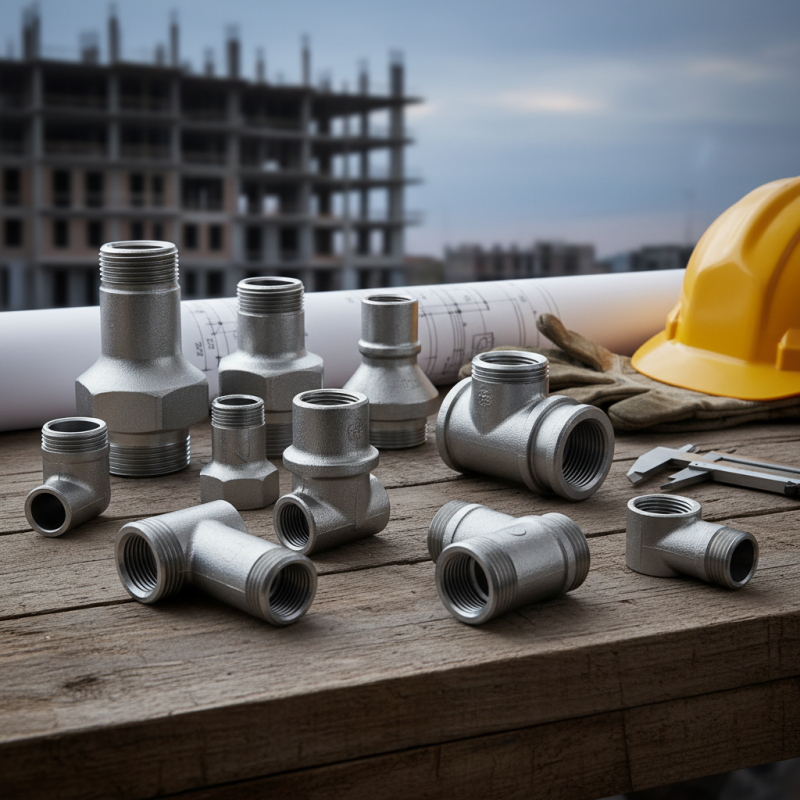
Types of Steel Fittings Commonly Used in Construction Projects
Steel fittings play a crucial role in construction projects. They provide essential connections for piping, framing, and structural elements. Understanding the different types of steel fittings can help you make informed choices.
Commonly used fittings include elbow, tee, and couplings. Elbows change the direction of pipes or rods. They come in 45-degree and 90-degree angles. Tees branch off a main pipe or support system. This design helps distribute materials efficiently. Couplings connect two pipe ends securely. They ensure seamless flow.
Another category is flanges. Flanges are used to connect pipes with bolts. They create sturdy joints for heavy loads. Some fittings can be tricky to install. Misalignment can lead to leaks. This issue often requires rework, causing delays. Proper training and careful measurements can help prevent such mistakes. Overall, choosing the right steel fittings is essential for a successful construction project.
Best Steel Fittings for Your Construction Needs?
| Type of Steel Fitting |
Common Usage |
Material Grade |
Connection Type |
| Elbow |
Changing the direction of piping |
A106 (Grade B) |
Welded |
| Tees |
Branch connection in piping |
A234 (WPB) |
Socket Weld |
| Couplings |
Joining two pipe ends |
A105 |
Threaded |
| Flanges |
Joining pipes or fittings |
A105 / A181 |
Bolted |
| Adapters |
Transitioning between fittings |
A106 (Grade C) |
Welded or Threaded |
Key Factors to Consider When Choosing Steel Fittings
Choosing the right steel fittings for construction projects is crucial. Various factors come into play. The first consideration is the type of project.
Will it be residential or commercial? Each project has unique demands.
Material quality is another critical aspect. High-quality steel fittings ensure durability and resilience. Inspect the finish as well.
A rough finish can indicate poor quality. It may lead to failures down the line if not addressed.
Tip: Always check for certifications. They reflect the product's compliance with industry standards.
Size and dimensions must match project specifications accurately. Mismatched fittings can delay work and increase costs.
It’s important to double-check measurements before purchasing.
Tip: Consider the environment. Will fittings be exposed to moisture or extreme temperatures?
Corrosion-resistant options offer better longevity.
Keep in mind the availability of fittings. Shortages can impact timelines. Research local suppliers to avoid last-minute scrambles.
Benefits of Using Steel Fittings in Construction Applications
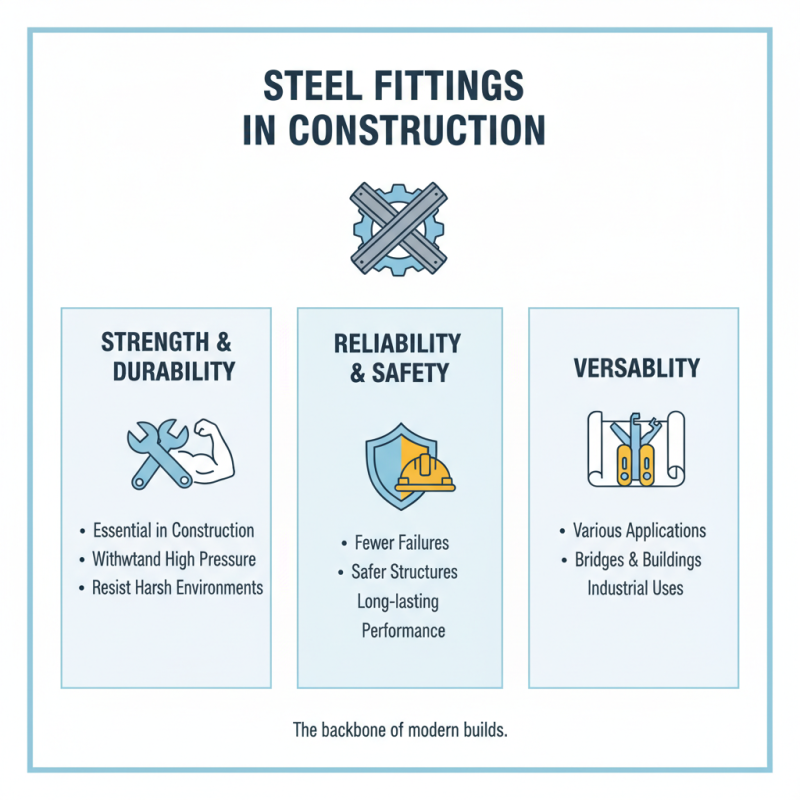
Steel fittings are essential in construction. They offer strength and durability, making them a popular choice for various applications. When using steel fittings, they can withstand high pressure and harsh environments. This reliability translates to safer structures and fewer failures over time.
One of the benefits of steel fittings is their resistance to corrosion. They can be treated with protective coatings for added longevity. However, not all coatings are created equal. It's crucial to choose the right one based on your project’s specific environmental challenges. Regular inspections will help identify any maintenance needs.
Tip: Always check the compatibility of steel fittings with other materials. Misalignment can lead to complications. Keep in mind that steel is heavier than other materials. This fact can complicate installation and require additional labor.
Consider this: while steel fittings are robust, they are not impervious to damage. Small cracks or wear can go unnoticed. If you do not conduct routine checks, these issues may escalate. Being diligent about inspections saves money and time in the long run.
Top Brands for Quality Steel Fittings in the Market
When it comes to finding the best steel fittings for construction, quality matters. There are numerous brands offering a variety of options. They provide fittings for pipes, valves, and flanges. Each option comes with unique features that cater to different construction needs. Selecting the right brand can be overwhelming. Not every product meets the same standards, which sometimes leads to confusion.
Some brands are known for their durability, while others excel in affordability. It's essential to consider factors like corrosion resistance and ease of installation. Testing different fittings can reveal surprising results, as not all brands will perform equally in real-world situations. Sometimes, what seems like a reliable choice may fall short.
Moreover, the market is filled with new entrants. Emerging brands can offer innovative solutions or competitive pricing. However, their quality sometimes lacks consistency. This inconsistency can result in project delays or increased costs. It's crucial to balance innovation with proven reliability. Taking time to evaluate each option is a step worth considering. Your choice in fittings could impact the entire construction process.
Proper Installation Techniques for Steel Fittings in Construction
Proper installation techniques for steel fittings in construction are crucial for ensuring structural integrity. Start by selecting the right fittings based on the load and environment. Each project has unique demands. Use tools that suit the size of your fittings. A poorly chosen tool can lead to damage.
When installing, make sure to clean the surfaces. Dirt and rust can weaken connections. Apply a suitable sealant to prevent moisture ingress. Ensure all parts fit snugly. Use a torque wrench to achieve proper tightness. Over-tightening can lead to breakage.
Tips: Always double-check measurements before cutting. Mistakes at this stage can be costly. Keep the workspace organized to avoid accidents. Use labels for different fitting types. Small details matter in large projects. Don’t rush; take your time to do it right.