Top 10 Best Stainless Steel Floor Drains for Your Needs?
When it comes to home improvements, selecting the right flooring is essential. A critical element in managing water flow is the choice of a **Stainless Steel Floor Drain**. These drains are not only functional but also enhance the aesthetics of bathrooms, kitchens, and outdoor spaces. Stainless steel offers durability and resistance to corrosion, significantly extending the drain's lifespan.
However, not all floor drains are created equal. The market is flooded with options that vary in design, size, and functionality. Without proper research, you may find yourself overwhelmed. The importance of choosing the right drain cannot be understated; it can impact safety and comfort in your living spaces. Sometimes, prioritizing style over functionality leads to issues down the line.
This guide aims to explore the top 10 best options available. Each selection is based on quality, user feedback, and expert reviews. We believe in presenting reliable choices. As you read on, consider your specific needs and space requirements. Making an informed decision is crucial for a successful purchase. A well-chosen **Stainless Steel Floor Drain** can make a significant difference in your home.
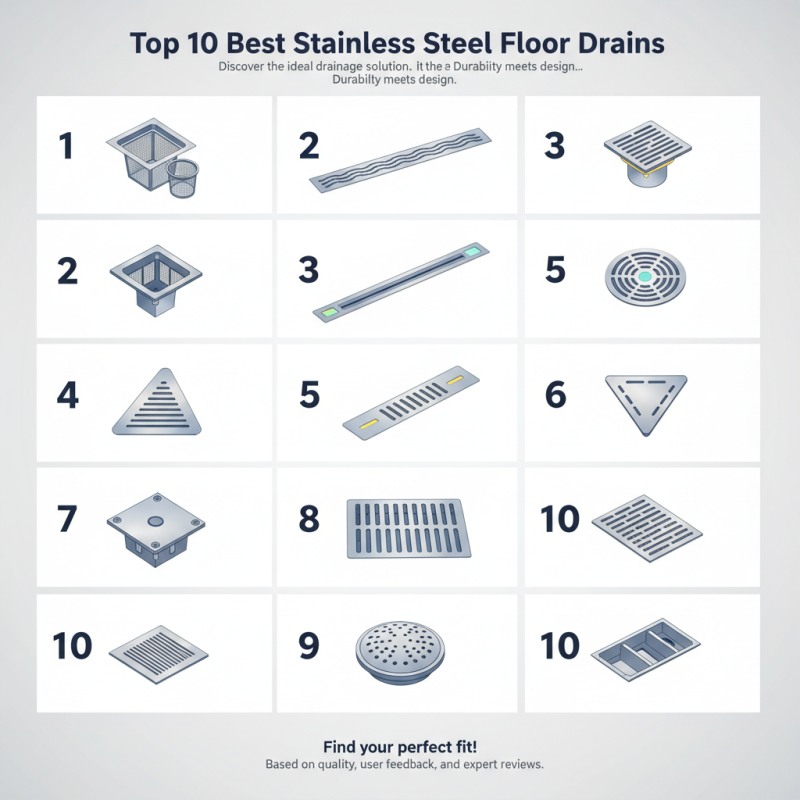
Top Features to Consider in Stainless Steel Floor Drains
When choosing a stainless steel floor drain, it’s crucial to consider several key features. The material quality matters greatly. High-grade stainless steel should resist rust and corrosion. A durable drain ensures longevity, reducing the need for replacements. A smooth finish enhances aesthetics and makes cleaning easier.
Drain size and design are equally essential. The size must fit your specific floor layout to prevent pooling. Look for designs that promote efficient water flow. Some drains have slotted or square grates, impacting their effectiveness in different spaces.
Another aspect to ponder is the ease of installation. Some designs may require professional help, increasing overall costs. Always evaluate if a drain is user-friendly or complicated. Lastly, consider the warranty offered. A good warranty reflects the manufacturer’s confidence in their product. It’s wise to think through these features before making a final decision.
Comparative Analysis of Drain Sizes and Flow Rates
Selecting the right floor drain involves understanding both sizes and flow rates. Different locations require specific dimensions. For example, a shower drain typically needs a diameter of at least 2 inches. In contrast, a kitchen drain may require a larger size to handle food remnants.
Flow rates are just as crucial. They indicate how efficiently water can move through the drain. A higher flow rate is ideal for wet areas. This prevents water pooling. Also, consider the type of installation. A linear drain offers a higher flow rate but may require more space. This design works well in modern bathrooms.
Many users overlook the combination of size and flow rate. It can lead to clogs and water stagnation. Regular maintenance helps mitigate these issues. Observing how water interacts with the drain reveals its effectiveness. A careful assessment ensures optimal performance for your needs.
Material Durability: Why Stainless Steel Outperforms Others
The durability of stainless steel as a material for floor drains is increasingly recognized in the plumbing industry. According to a recent report from the International Plumbing and Drainage Association, stainless steel drains have a significantly lower failure rate compared to plastic alternatives. This is primarily due to their resistance to corrosion and staining. In environments like kitchens or bathrooms, where exposure to moisture is constant, stainless steel stands up better over time.
Many stainless steel options feature a brushed or polished finish that not only enhances appearance but also adds a layer of protection. This material can withstand the harsh chemicals often found in cleaning agents. A study published in the journal "Materials and Corrosion" indicates that stainless steel drains can last over 30 years with minimal maintenance, while plastic drains often degrade within a decade.
However, some concerns remain. Stainless steel does require periodic cleaning to maintain its luster and functionality. Neglecting this can lead to discoloration or buildup of grime. While they are generally more cost-effective over time, the initial investment is usually higher than plastic. Understanding these nuances can help consumers make informed choices regarding their floor drain needs.
Material Durability Comparison of Floor Drains
Installation Techniques for Optimal Performance of Floor Drains
Installing a stainless steel floor drain requires attention to detail. First, ensure the installation area is clean. Any debris can affect the seal and function. Use a proper layer of mortar to create a solid base. This helps to prevent settling and future leaks.
Next, align the drain correctly. A misaligned drain can cause water pooling. Use a level to confirm proper alignment. It’s essential that the drain slopes toward the outlet. A slope of one-quarter inch per foot is a common recommendation. Watch for any imperfections in the installation. These can lead to costly repairs down the line.
Also, sealing is crucial for optimal performance. Use a high-quality sealant around the edges. This helps to prevent mold and odors. Regular maintenance checks can catch issues early. Cleaning the drain is vital, as clogs affect drainage.
Consider using a screen to prevent debris buildup. Reflect on your installation process and look for areas to improve. Each installation can vary, requiring adjustments based on the environment.
Maintenance Tips to Enhance Longevity of Your Floor Drains
Maintaining stainless steel floor drains is crucial for their longevity and performance. Regular cleaning is an essential practice. A study from the Drainage Institute indicates that neglecting maintenance can reduce drain efficiency by up to 40%. Simple cleaning methods, such as using warm soapy water, can prevent buildup of debris and odors.
Another critical aspect is proper installation. Misalignment can lead to leaks and corrosion. According to industry reports, improper installation accounts for about 30% of drain failures. Ensuring that floor drains are correctly positioned and securely fastened is vital. Using a level during installation can help achieve the right angle for optimal drainage.
Additionally, periodic inspections are beneficial. Look for signs of wear or rust. A report from the National Association of Plumbing and Heating Professionals suggests that proactive inspections can extend the life of drains by 50%. While stainless steel is resistant to rust, it is not entirely immune. Timely maintenance and addressing issues before they escalate can save expenses in the long run.