Best Stainless Fittings to Choose for Your Next Project?
When selecting the best stainless fittings, expert Mike Anderson emphasizes, "Quality fittings are essential for a successful project." Stainless fittings are vital components in various applications, from plumbing to construction. Choosing the right type can significantly enhance durability and performance.
Many projects rely heavily on stainless fittings for their strength and resistance to corrosion. This material is favored because it withstands harsh conditions. However, not all stainless fittings are created equal. Poor quality fittings can lead to leaks and failures. It's crucial to consider the specifications and certifications of each product carefully.
A common mistake is overlooking the importance of proper selection. Some may choose based on price alone, which can be misleading. Investing in high-quality stainless fittings can save time and costs in the long run. Every detail matters; make informed decisions to avoid unnecessary setbacks.
Understanding the Importance of Stainless Steel Fittings in Projects
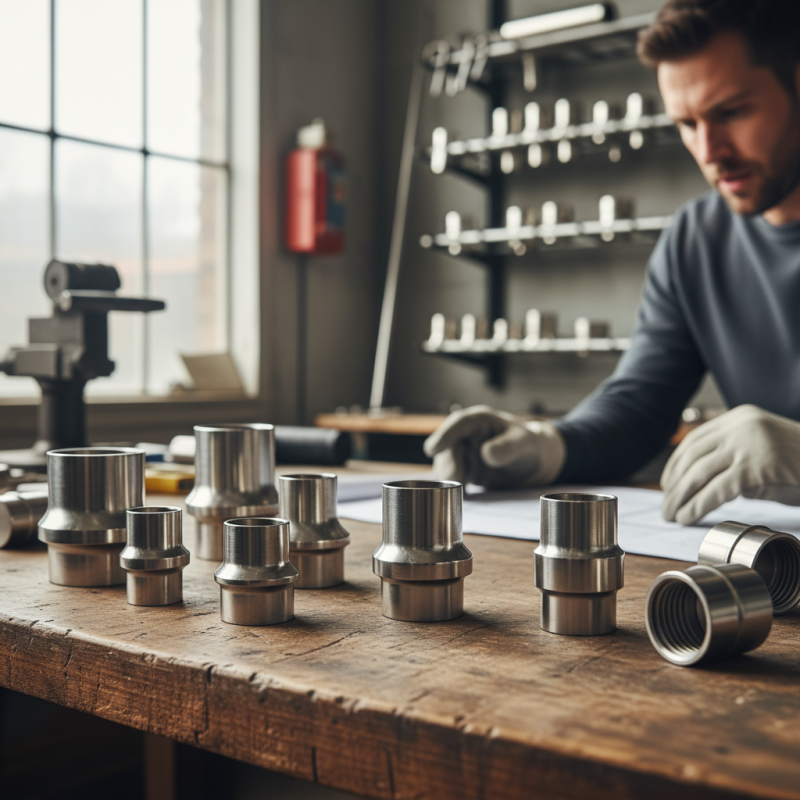
Stainless steel fittings play a critical role in various projects. They are known for their durability and resistance to corrosion. According to industry reports, around 60% of construction projects now prefer stainless steel for its longevity and strength. This material can withstand harsh environmental conditions. It ensures a longer lifespan for installations, reducing costs in the long run.
When selecting fittings, consider the specific conditions they will face. Not all stainless steel is equal. Different grades offer varying levels of corrosion resistance. For example, 316 stainless steel is often recommended for marine environments. Misunderstanding these differences can lead to premature failures in projects.
Tips: Always check local regulations on materials. Ensure stainless steel meets the required standards. Regular inspections can also prevent unexpected issues. It's crucial to stay informed about industry trends. The right choice today saves headaches tomorrow.
Types of Stainless Steel Fittings and Their Applications
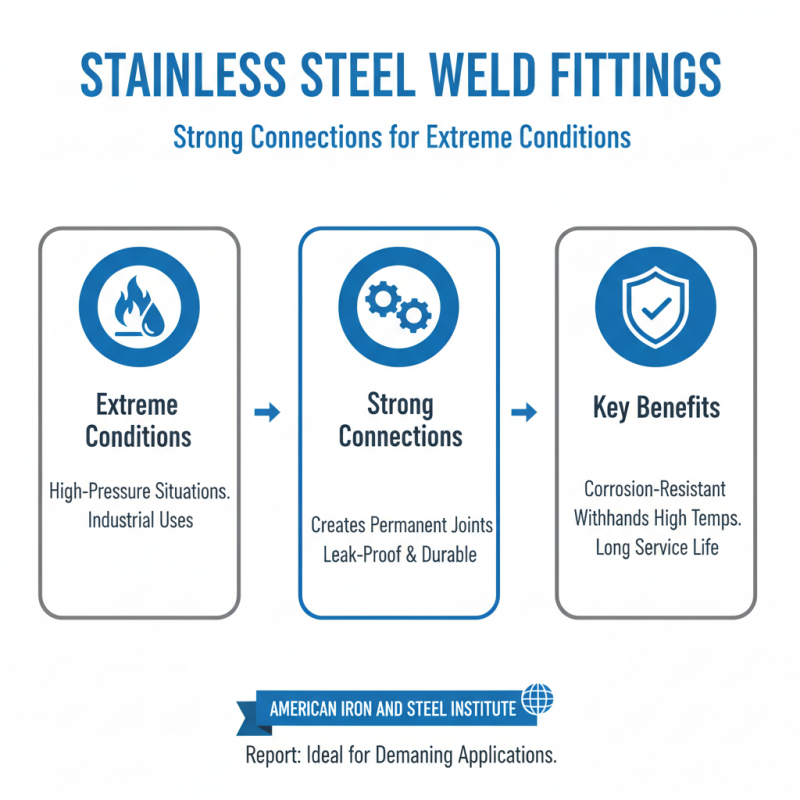
Stainless steel fittings come in various types, each suited for specific applications. Weld fittings are one common type. These create strong connections, ideal for high-pressure situations. A report from the American Iron and Steel Institute indicates that these fittings can withstand extreme conditions, making them perfect for industrial uses.
Another popular type is the threaded fitting. These offer easier installation and are widely used in plumbing. Studies suggest that threaded fittings can also resist corrosion effectively. However, improper installation may lead to leaks. Care should be taken to ensure secure fittings during assembly. This is crucial for longevity and reliability.
Flanged fittings are also notable. They provide a stable connection and are often used in pipelines for process industries. Reports show these fittings can be less prone to failure than other types when properly maintained. Still, they require frequent inspection. Overlooking small signs of wear can result in significant issues down the line. Always evaluate the specific needs of your project when choosing fittings.
Factors to Consider When Choosing Stainless Steel Fittings
When selecting stainless steel fittings for your project, several key factors come into play. The environment where these fittings will be used is critical. For example, fittings exposed to saltwater require higher corrosion resistance, like 316 stainless steel, compared to those in less harsh surroundings. According to the Corrosion Engineering Report, nearly 50% of structural failures stem from inadequate material selection.
Another vital aspect is the sizing and compatibility with existing pipelines or systems. Mismatched sizes can lead to leaks and costly repairs. The American Society of Mechanical Engineers (ASME) emphasizes proper fitting alignment. They report that improper sizing can reduce system efficiency by up to 20%.
Furthermore, consider the intended pressure and temperature range. The maximum rating for commonly used stainless steel fittings can vary significantly. Some might handle only moderate pressures, while others are engineered for high-pressure applications. When evaluating options, consult updated industry charts or specifications to ensure you're choosing correctly. It may seem simple, but overlooking these details can lead to project delays and unexpected expenses.
Top Brands and Manufacturers of Stainless Steel Fittings
When selecting stainless steel fittings, it's crucial to consider the top manufacturers in the industry. According to a market analysis report by Grand View Research, the global stainless steel fittings market was valued at over $2 billion in 2022 and is expected to grow steadily. The demand for high-quality fittings can be attributed to their durability and resistance to corrosion. These fittings are indispensable in various applications from plumbing to construction.
Not all brands perform equally well under stress. A study published in the Journal of Materials Science highlighted that some fittings can fail under extreme pressure conditions. It's essential to engage with manufacturers known for their rigorous testing standards. Look for suppliers that provide certifications for their products. Certifications ensure that the fittings meet international quality standards.
Another aspect to ponder is the range of options available. Different projects might require specific types of fittings, such as threaded, welded, or flanged. Misjudgments in selecting the right type can lead to leaks or structural failures. Furthermore, price does not always correlate with quality. Some affordable options can outperform more expensive counterparts. Quality and reliability should be prioritized over cost alone.
Maintenance and Care Tips for Stainless Steel Fittings
When working with stainless steel fittings, proper maintenance is crucial. Regular cleaning helps prevent rust and corrosion. Research shows that about 25% of stainless steel failures can be traced back to inadequate care. A simple rinse with warm water and mild detergent often suffices. Scrubbing with soft brushes will remove any stubborn debris without scratching the surface.
Humidity impacts stainless steel significantly. Areas with high humidity may require more frequent inspections. Consider using protective coatings as a barrier against moisture. Studies indicate that 15% of stainless steel fittings experience early degradation in humid conditions. Additionally, keep an eye on any contact with dissimilar metals. Galvanic corrosion can occur when stainless steel interacts with other metals, making inspection essential.
Be cautious with abrasive cleaners and harsh chemicals. They can damage the surface finish. Once a week, check for signs of wear or discoloration. It's easy to overlook small issues, but early detection can prevent larger problems. Your fittings deserve attention to detail and care. Skipping maintenance can lead to costly repairs or replacements down the line.
Best Stainless Fittings to Choose for Your Next Project
This chart illustrates the most popular types of stainless steel fittings based on various project requirements. It provides insights into the common choices that professionals and DIY enthusiasts make in the selection of fittings for their projects.