Best Optical Dissolved Oxygen Meter for Global Buyers?
When selecting an Optical Dissolved Oxygen Meter, global buyers face numerous options. The importance of accurate dissolved oxygen measurement cannot be overstated. It affects water quality assessments and aquatic life health significantly.
Optical dissolved oxygen meters use advanced technology to provide reliable results. These meters are preferred for their ease of use and quick response time. Many industries, including aquaculture and environmental monitoring, rely on these instruments. However, not all optical dissolved oxygen meters perform equally. Some may lack calibration consistency, which can lead to incorrect readings.
Buyers must prioritize meters with proven accuracy and durability. Researching reliable sources and user experiences is essential. Selecting the right product can seem overwhelming. Still, understanding key features can simplify the decision-making process. This guide will help navigate the best optical dissolved oxygen meters available today.
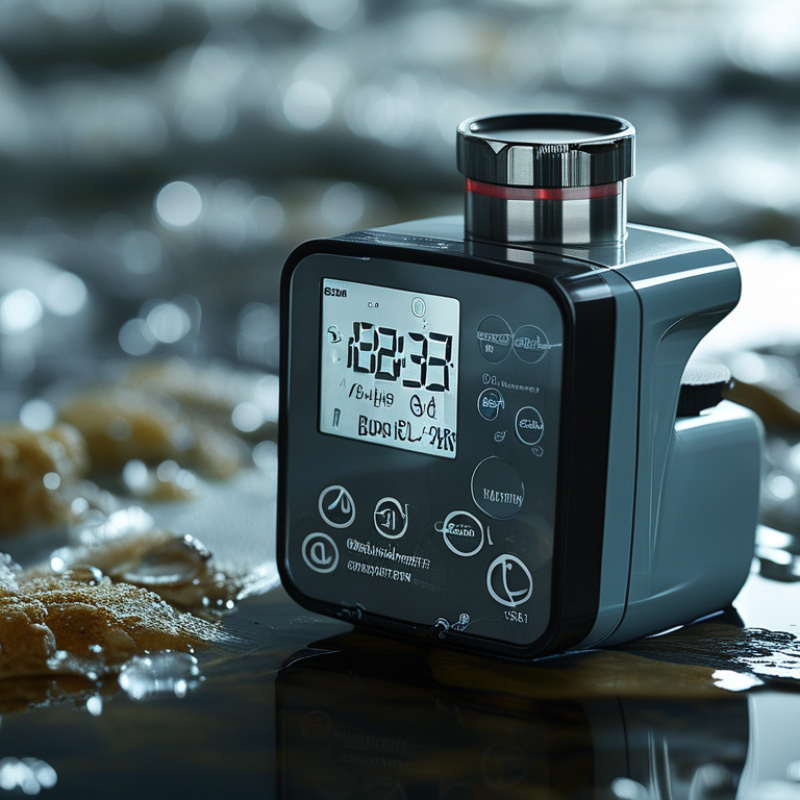
Best Optical Dissolved Oxygen Meters: Overview of Market Leaders
When considering the best optical dissolved oxygen meters, market leaders stand out due to their advanced technology and unparalleled accuracy. These meters enable precise measurements essential for various industries, including aquaculture, water treatment, and environmental monitoring. Recent industry studies indicate that the demand for optical DO meters is expected to grow at a CAGR of 9% from 2023 to 2030. This trend highlights the increasing recognition of the importance of accurate oxygen measurements in maintaining ecological balance.
Leading optical dissolved oxygen meters utilize luminescent technology. They offer significant advantages over traditional methods. For instance, they provide real-time data with minimal maintenance needs. Studies show that optical methods reduce calibration frequency, leading to improved operational efficiency. However, not all products deliver the same reliability. Users often report variability in performance under different environmental conditions. This highlights the need for careful evaluation before purchase.
In addition, calibration processes can be confusing for some users. Mistakes during calibration may lead to misleading readings. Accurate readings are crucial, especially in critical applications. Reports have indicated that improper calibration can result in up to a 15% error margin in DO measurements. This underscores the necessity for comprehensive training and support in operational settings.
Best Optical Dissolved Oxygen Meters - Overview of Market Leaders
| Model | Measurement Range (mg/L) | Accuracy (%) | Features | Price (USD) |
| Model A | 0 - 20 mg/L | ±0.1 | Data logging, Waterproof, Bluetooth connectivity | 499 |
| Model B | 0 - 50 mg/L | ±0.2 | Rechargeable battery, LCD display | 329 |
| Model C | 0 - 10 mg/L | ±0.05 | Compact design, High accuracy | 249 |
| Model D | 0 - 40 mg/L | ±0.3 | Custom calibration, Long battery life | 399 |
| Model E | 0 - 60 mg/L | ±0.2 | Mobile app integration, Data export | 559 |
Key Features to Consider in Optical Dissolved Oxygen Meters
When choosing an optical dissolved oxygen meter, several key features should guide your decision. Accuracy is paramount. A good meter should provide precise readings even in fluctuating environmental conditions. Look for models that include calibration options. This ensures consistent performance over time and across different samples.
Another important feature is the response time. A faster response time allows for real-time monitoring. This is crucial in applications like aquaculture or water quality assessments. Durability is also vital. Meters used in harsh environments require robust housing. This minimizes the risk of damage and prolongs the instrument's lifespan.
Ease of use makes a significant difference as well. An intuitive interface with clear displays helps prevent user errors. Consider meters that allow data logging. This feature enables users to track trends and make informed decisions. However, not all users leverage these features. Some may find themselves overwhelmed with complex menus, leading to frustration. Making the right choice requires careful consideration of these aspects.
Comparative Analysis of Accuracy and Response Time in DO Meters
When selecting an optical dissolved oxygen (DO) meter, accuracy and response time are critical factors. In various environments, the ability to provide precise measurements quickly can significantly impact data quality and operational efficiency. Optical DO meters use luminescent technology to measure oxygen levels. This method offers high accuracy, often within 0.1 mg/L, compared to traditional methods.
However, response time varies among models. Some meters provide results in seconds, while others may take a few minutes. This delay can be problematic during time-sensitive applications, such as aquatic research or wastewater treatment. Users must consider their specific needs. A model with faster response may sacrifice some level of accuracy, leading to potential data discrepancies.
Field testing is essential for identifying which model suits specific conditions. Temperature fluctuations, salinity levels, and atmospheric pressure can skew results. Therefore, it’s wise to validate performance in real-world scenarios. Practitioners should review calibration protocols closely, as improper calibration can affect reliability. Ultimately, while technology advances, challenges remain in balancing speed with precision for optimal dissolved oxygen measurement.
Comparative Analysis of Accuracy and Response Time in Optical Dissolved Oxygen Meters
Application Areas: Industries Benefiting from Optical DO Sensors
Optical dissolved oxygen (DO) sensors play a pivotal role in various industries, significantly enhancing operational efficiency. In aquaculture, for instance, these sensors can monitor oxygen levels crucial for fish health. A study revealed that maintaining optimal oxygen levels increased fish yield by 15% in intensive farming environments. Similar advancements are seen in wastewater treatment plants, where precise DO management ensures compliance with environmental regulations. The American Society of Civil Engineers reported that improper DO levels can lead to costly fines and environmental damage.
Food and beverage sectors also benefit from optical DO technology. In fermentation processes, precise oxygen control can directly influence product quality. According to industry research, fluctuations in oxygen levels during brewing can affect the flavor profile and aroma of beers. Additionally, optical sensors offer real-time data, empowering manufacturers to make timely adjustments.
Despite the clear benefits, some industries still struggle with implementing advanced DO monitoring technologies. Cost considerations and potential training gaps can hinder adoption. Many organizations are uncertain about the long-term return on investment. Addressing these concerns requires careful evaluation of both initial costs and operational efficiencies. It's crucial for companies to weigh the trade-offs and embrace this technology thoughtfully.
User Reviews and Ratings: Insights from Global Buyers on DO Meters
When exploring the best optical dissolved oxygen meters, user reviews provide valuable insights. Global buyers often share their experiences with various models, highlighting features that work well and those that don't. This collective knowledge sheds light on the reliability and accuracy of these devices in different environments. It’s not uncommon for users to mention calibration challenges. Even the most trusted meters can require frequent adjustments to maintain accuracy.
Tips for selecting a DO meter include checking user ratings on platforms that specialize in scientific equipment. Many users emphasize the importance of considering the intended application. A meter suited for laboratory use may not perform well in harsh industrial conditions. Don't overlook the ease of use; some models could be complex for routine tasks.
Many users also note that build quality is paramount. A sturdy design can make a significant difference in field use. Regular users recommend looking for waterproof features. However, some reviewers have pointed out issues with battery life, which can be frustrating in prolonged fieldwork. Frequent battery changes can disrupt workflow. Always factor in the long-term maintenance needs when choosing a device. Insights from fellow users create an informed decision-making experience.