2026 Best Drilling Hole Opener for Global Procurement Needs?
The demand for a reliable Drilling Hole Opener has surged globally as industries evolve. Dr. Emily Carter, an expert in drilling technologies, emphasizes this need: "Efficient drilling solutions are critical for today's ambitious projects.” Her insights reflect the industry's shift toward advanced, high-performance tools.
As we approach 2026, various global procurement needs emerge. Companies seek more than just tools; they require innovation and durability. The right Drilling Hole Opener can significantly enhance efficiency and reduce operational costs. It’s not merely about drilling; it's about achieving precision in diverse environments.
However, the market faces challenges. Suppliers must balance quality with affordability. Additionally, emerging technologies might create gaps in existing products. Stakeholders should continuously assess their strategies to ensure optimal choices in an evolving landscape. The journey toward selecting the best Drilling Hole Opener is complex but vital in today's competitive market.
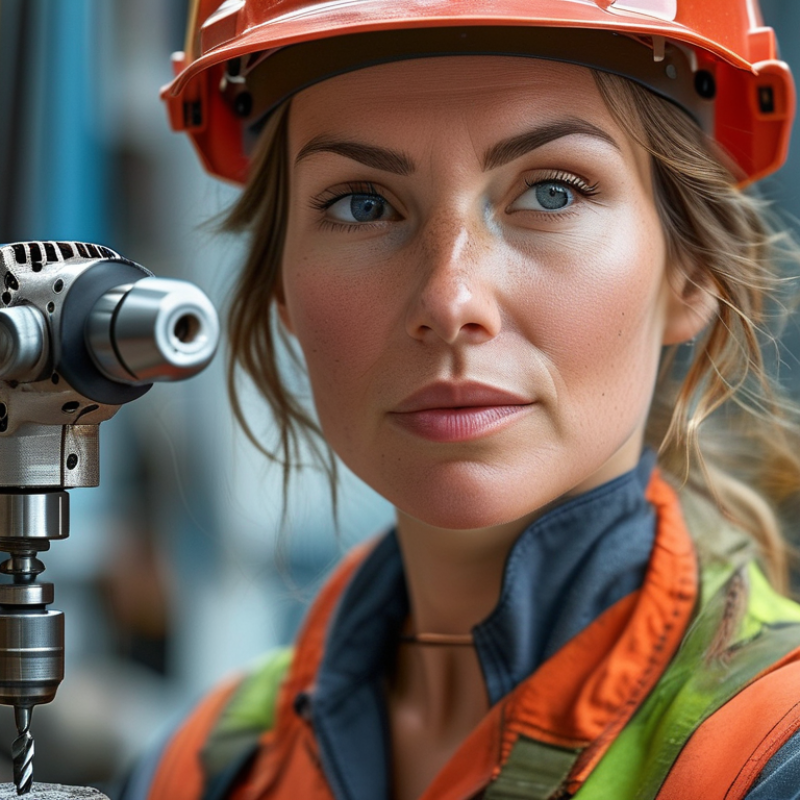
Overview of Drilling Hole Openers in 2026
In 2026, the demand for effective drilling hole openers is set to escalate. This is driven by the booming oil and gas sector, alongside a robust mining industry. According to a report by the International Energy Agency, global oil demand is projected to increase by 5 million barrels per day by 2026. This surge highlights the necessity for efficient drilling technologies.
Drilling hole openers have evolved significantly. The materials used today include advanced hard alloys and innovative designs that improve durability and performance. Industry analyses show that these advancements can boost drilling speeds and reduce downtime by nearly 30%. However, challenges remain regarding the adaptability of these technologies in various geological formations.
Cost is another consideration. While investments in high-quality drilling equipment can yield long-term savings, initial expenditures may deter smaller operations. Balancing cost and efficiency continues to be a challenge for many in the industry. As professionals seek to optimize their procurement strategies, understanding market trends and technological improvements will be crucial.
Key Features to Consider for Drilling Hole Openers
When selecting a drilling hole opener, several critical features demand attention. Firstly, the material used plays a vital role in the longevity and performance of the tool. High-grade steel often withstands harsh conditions. Moreover, carbide tips enhance durability and cutting efficiency. These factors significantly influence operational costs over time.
Another essential aspect is the design of the opener. A well-engineered shape promotes smoother drilling. This can lead to faster hole creation, avoiding common pitfalls like snagging or dulling. Size specifications matter, too. Sizing must align with project requirements for maximum efficiency. There's a delicate balance between size and capability that can impact overall workflow.
Further, consider the weight of the opener. Heavier models can provide stability, but they may slow down operations. A lightweight option could enhance mobility. However, performance shouldn't falter. Look into user reviews to identify real-world applications and deficiencies in various models. Each feature should contribute to a more effective drilling experience, yet no perfect tool exists. Recognizing weak points is essential for future improvements.
Comparative Analysis of Top Drilling Hole Opener Brands
The demand for drilling hole openers has grown significantly. Recent industry reports indicate a projected growth of over 6% annually through 2026. Key applications span mining, oil, and gas industries. Decisions made during procurement can significantly impact operational efficiency.
Different brands offer unique advantages. Some prioritize material durability while others focus on innovative designs. A recent market analysis showed that around 30% of companies prefer openers with improved wear resistance. Others find enhanced drilling speeds crucial. However, balancing these factors remains a challenge, as increased speed can sometimes lead to premature wear.
User satisfaction is often mixed. While some professionals value the extended lifespan of specific models, they sometimes face difficulty finding compatible accessories. Market research highlights that feedback from seasoned operators is essential. Their insights on performance under varying conditions can guide future innovations. Identifying the right balance of features can prevent costly mistakes in procurement.
Global Market Trends Impacting Hole Opener Procurement
Global market trends are drastically shaping the procurement of hole openers in 2026. With an increasing emphasis on efficiency and sustainability, companies seek equipment that meets these demands. The rise of offshore drilling and renewable energy initiatives has generated new requirements for innovative hole opener solutions. This shift highlights the need for suppliers to adapt quickly to changing market dynamics.
Tips: Stay updated on market trends. Research industry reports regularly. Engaging with knowledgeable professionals can provide insights that drive better procurement decisions.
As environmental regulations tighten, procurement strategies must incorporate eco-friendly materials. This transition can be challenging. Companies sometimes struggle to balance cost with sustainability. Yet, investing in advanced technologies can yield long-term savings and compliance benefits. The demand for lighter, stronger materials also drives innovation.
Tips: Consider long-term benefits over short-term savings. Focus on collaboration with suppliers for customized solutions. Challenge your existing sourcing methods for improved outcomes.
Future Innovations in Drilling Technology for Efficient Operations
Future innovations in drilling technology are essential for enhancing operational efficiency in various sectors. The focus on reducing costs while increasing productivity has led to intriguing advancements. One area of interest is the development of smart drilling systems. These systems incorporate sensors and AI to optimize drilling parameters in real time. The result? Increased precision and reduced waste.
Another promising innovation is the shift towards sustainable drilling practices. Techniques such as non-invasive drilling are gaining popularity. These methods minimize the ecological footprint, addressing environmental concerns. However, implementing these new technologies can be challenging. There’s a learning curve associated with integrating advanced tools into existing systems.
Industry professionals are also re-evaluating traditional drilling methods. Relying on past experiences may hinder progress. Adopting a mindset open to change is crucial. Overall, the future of drilling technology is bright, but it requires continuous reflection and adaptation to truly meet global procurement needs.
2026 Drilling Hole Opener Performance Comparison