Best 3D Printing Materials for Global Buyers in 2026?
As the world moves towards 2026, the demand for innovative 3d Printing Materials is set to soar. Industries are seeking high-performance materials that enhance productivity and sustainability. In this evolving landscape, manufacturers are exploring diverse options. From bio-based plastics to advanced metals, choices are expanding rapidly.
However, selecting the right 3D printing materials can be complex. Each material has unique properties that suit specific applications. Buyers must navigate challenges like cost and availability. This makes informed decisions critical, especially for global buyers. They need to balance quality with practicality in a crowded market.
Many manufacturers are stepping up to meet this need. They invest in research and development to refine their materials. Yet, not every solution is perfect. New materials may face performance issues or compatibility challenges. Buyers must stay vigilant, continuously assessing their options. This guide aims to illuminate the best materials on the market, ensuring informed choices for 2026.
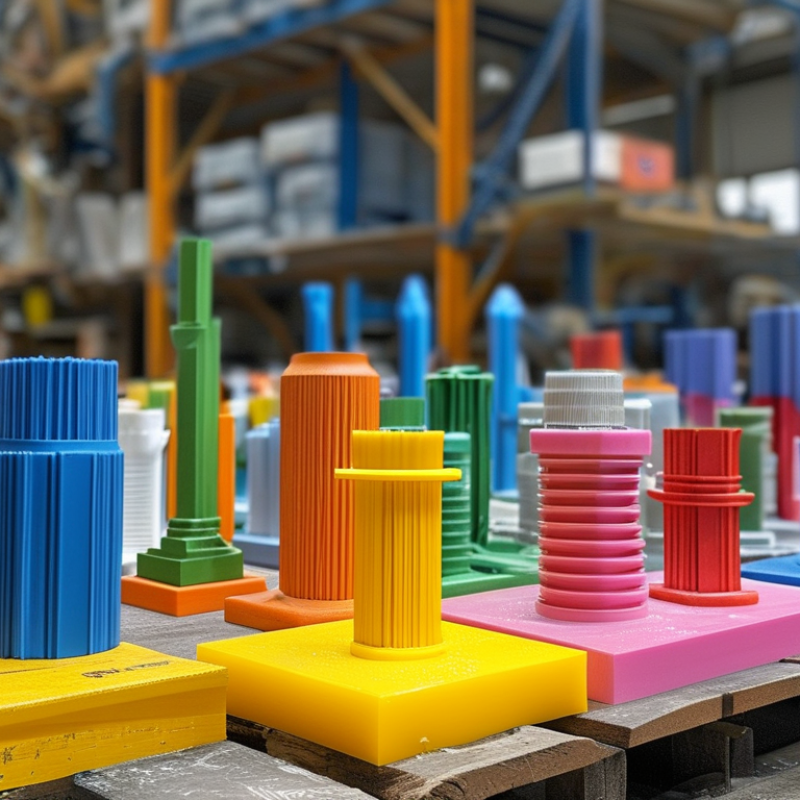
Overview of 3D Printing Materials Available in 2026
In 2026, the landscape of 3D printing materials is set to evolve significantly. A report from the Wohlers Associates notes that the global 3D printing materials market is expected to reach $7 billion, driven by advancements in diverse materials such as metals, polymers, and ceramics. Key materials will include high-performance thermoplastics that can withstand extreme conditions, ideal for aerospace and automotive applications.
Polyamide, or Nylon, will continue to dominate due to its flexibility and strength. The versatility of Nylon in both prototyping and final production parts is well-recognized. However, its moisture absorption can lead to warping if not managed properly. Additionally, biodegradable materials like PLA are gaining traction for their sustainability. They will appeal to eco-conscious industries, though concerns about durability still linger.
Metals like titanium and stainless steel will also play a crucial role, especially in the medical and aerospace sectors. The properties of these metals offer excellent strength-to-weight ratios. However, the complex printing process and comparatively high costs may challenge smaller companies. As materials evolve, so will the need for better education on their properties and applications, indicating a growing gap in expertise that the industry must address.
Key Properties to Consider in 3D Printing Materials
When selecting 3D printing materials in 2026, several key properties are paramount. One important factor is strength. The material must withstand mechanical stress without deforming. Knowledge of tensile strength can guide buyers in their choices. Another crucial characteristic is flexibility. A good 3D printing material should adapt to various applications, whether creating precise prototypes or durable end products. Consider the bending properties of materials to ensure they meet specific needs.
Temperature resistance plays a significant role as well. Materials need to maintain stability under heat. This is particularly vital for applications in aerospace or automotive fields. Buyers should analyze thermal properties and test results before making decisions. Additionally, compatibility with different 3D printers can affect production efficiency. Not every material works with all printers, so understanding compatibility is essential.
Moreover, the aesthetics of printed objects matter to many users. The finish, color, and surface texture can enhance the appeal of a product. However, not all materials offer a pleasing appearance. Some may require post-processing, which adds time and cost. Balancing these considerations is challenging. It is necessary for buyers to evaluate their priorities carefully.
Top 5 3D Printing Materials for Various Industries
3D printing technology is advancing rapidly, and industries must stay updated on the materials available. Here are five notable 3D printing materials that will shape various sectors in 2026.
PLA, or polylactic acid, remains a popular choice. It’s biodegradable and user-friendly. Many hobbyists favor it for its ease of use and vibrant colors. However, PLA can be less durable in high-heat conditions. Consider using it for prototypes rather than end-use parts.
ABS is another well-known material. It's strong and impact-resistant, making it suitable for automotive and industrial applications. The downside is that it can warp during printing. Ensure your workspace is well-ventilated, as fumes can be an issue.
Nylon is gaining traction in various sectors, especially in fashion and engineering. It’s flexible and durable, making it perfect for functional parts. Keep in mind, though, that it can absorb moisture, affecting print quality. Store nylon in a dry environment.
Metal powders are also revolutionizing the industry. They enable the production of complex parts in aerospace and medical fields. However, using metal powders requires specialized equipment. Think about costs and accessibility when choosing this material.
Consider these insights to make informed decisions about 3D printing materials. Each material has unique benefits and challenges. Explore your options while keeping your specific industry needs in mind.
Sustainability Trends in 3D Printing Materials by 2026
As we approach 2026, sustainability in 3D printing materials is becoming increasingly crucial. The material choices are evolving, aiming to lessen environmental impact. Biodegradable plastics, like PLA, are gaining traction. They offer green alternatives for eco-conscious designers and manufacturers.
Using renewable resources is essential. Look for materials derived from plants or waste products. These options not only reduce carbon footprints but also contribute to circular economies. However, the availability of these materials can still be inconsistent. It's important to verify sourcing and production processes.
Experimenting with different materials can yield surprising results. Not all biodegradable options have the same mechanical properties. Some may not perform well under stress. This necessitates ongoing testing and adaptation. When selecting materials, consider your project's specific requirements. Balancing aesthetics, performance, and sustainability can be challenging.
Future Innovations Expected in 3D Printing Materials
The future of 3D printing materials is bright, with innovations on the horizon. Researchers are exploring new composites that blend enhanced durability and sustainability. Materials derived from bio-based sources could revolutionize the field, appealing to eco-conscious manufacturers. As climate challenges continue, the demand for greener materials will likely grow.
Consider how recyclable resins might change production processes. These resins will reduce waste and make it easier to create complex designs. Another exciting development is the use of metal-infused filaments. These materials will enable unique finishes and improved strength for various applications.
Experimentation with hybrid materials could lead to even more incredible outcomes. However, the balance between cost and quality remains a point of reflection. Buyers will need to remain flexible in their choices as new materials emerge. Assessing the reliability and performance of these innovations will be crucial to ensure they meet diverse needs.