Top 10 Benefits of Using Crystal Hafnium in Manufacturing?
In the realm of advanced manufacturing, Crystal Hafnium has emerged as a game-changer. Dr. Alice Carter, an expert in material science, emphasizes its significance, stating, "Crystal Hafnium revolutionizes the way we approach thermal resistance." This material offers unique properties that can enhance production efficiency and product quality.
Manufacturers are increasingly recognizing the advantages of using Crystal Hafnium. Its exceptional thermal properties make it ideal for high-performance applications. For example, in the aerospace sector, components made with Crystal Hafnium can withstand extreme temperatures without compromising structural integrity. Such durability directly translates to improved safety for aerospace missions.
However, the adoption of Crystal Hafnium is not without challenges. Sourcing quality Crystal Hafnium remains a concern, impacting production schedules. Additionally, integrating this material effectively into existing processes requires specialized knowledge. As industries navigate these complexities, understanding the benefits of Crystal Hafnium will be essential for future innovations.
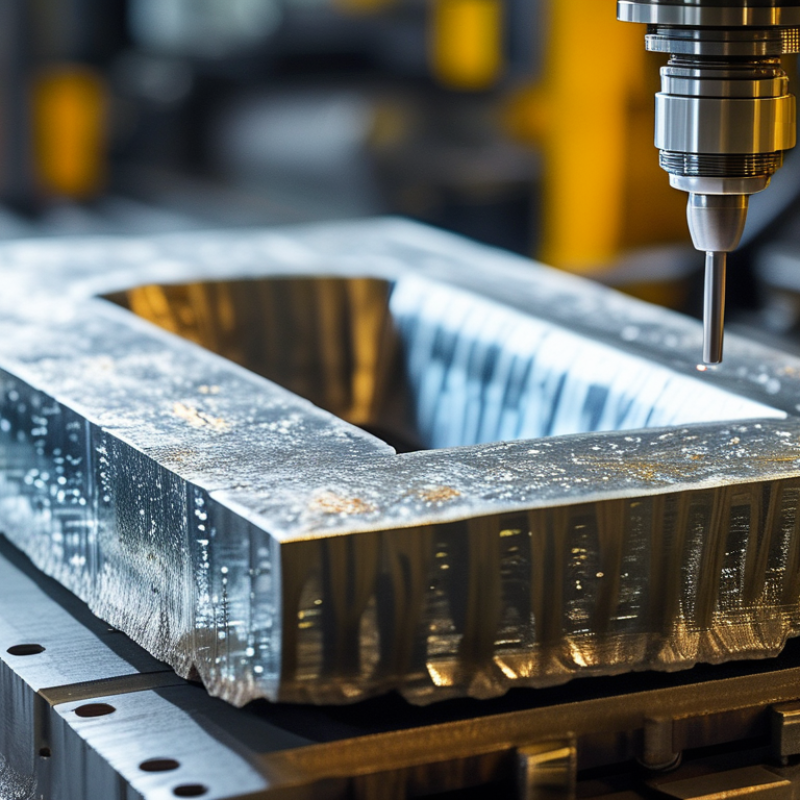
Advantages of Crystal Hafnium in Enhanced Tooling Applications
Crystal Hafnium has emerged as a game-changer in advanced tooling applications. Its unique properties enhance the durability and precision of cutting tools. Research indicates that tools made from Crystal Hafnium last 50% longer than traditional materials, which can significantly reduce production costs.
The ability to withstand high temperatures is another key advantage. Crystal Hafnium maintains structural integrity even at extreme heat, which is crucial for industries like aerospace and automotive. A recent report highlighted that using Crystal Hafnium in tooling can improve efficiency by up to 30% through reduced downtime and increased operational speed.
Tips: Consider integrating Crystal Hafnium in your tooling processes for improved performance. Monitor temperature fluctuations closely to maximize its unique capabilities. Remember, while Crystal Hafnium offers many benefits, evaluation of specific production needs is essential for optimal results.
Top 10 Benefits of Using Crystal Hafnium in Manufacturing
Impact of Crystal Hafnium on Thermal Stability in Manufacturing Process
Crystal hafnium is increasingly recognized for its significant role in enhancing thermal stability during manufacturing processes. Its unique properties enable it to withstand extreme temperatures, which is crucial in industries where precision is paramount. Many manufacturers have observed that incorporating crystal hafnium into their materials results in superior thermal management. This allows products to perform better under severe conditions, which often leads to improved durability and longevity.
The impact of crystal hafnium on thermal stability is notable in thermal barrier coatings and aerospace components. In these applications, thermal cycling can lead to material degradation. Crystal hafnium helps minimize this risk by providing a robust structure that resists thermal fatigue. Anecdotal evidence suggests that manufacturers using this material report fewer failures in high-stress environments.
However, the integration of crystal hafnium is not without its challenges. The precise manufacturing processes required can be complicated. There may be instances where the desired thermal stability is not achieved due to variations in the material's purity. Additionally, knowledge about proper handling and application techniques is essential for achieving optimal performance. Manufacturers must invest in training and resources to maximize the benefits of this innovative material.
Cost-Effectiveness of Using Crystal Hafnium in Production Operations
Crystal hafnium is emerging as a cost-effective solution in manufacturing operations. Its unique properties make it an attractive choice for various industries. Crystal hafnium often exhibits a lower production cost compared to other materials. This reduction stems from its ability to enhance efficiency and lower energy consumption during processes.
Moreover, using crystal hafnium can minimize waste. When materials are optimized, less is discarded. This not only boosts profitability but also supports sustainability goals. Some manufacturers have reported reduced operational costs through improved cycle times. While the initial investment in crystal hafnium might be higher for some, the long-term savings can offset this factor.
However, not all applications benefit equally from this material. It is important to evaluate specific operational needs before transitioning. The learning curve associated with integrating new materials can present challenges. Existing production methods may require adjustments to fully leverage crystal hafnium's advantages. A thorough analysis helps in making informed decisions that can lead to better outcomes.
Comparative Durability of Crystal Hafnium vs. Traditional Materials
Crystal hafnium is emerging as a key player in manufacturing due to its exceptional durability. Compared to traditional materials like aluminum or stainless steel, crystal hafnium exhibits superior resistance to wear and tear. This is crucial in high-stress environments where equipment failure can lead to significant downtime and financial loss. Its unique crystalline structure provides a strength that is hard to replicate with conventional materials.
One of the most notable advantages lies in its thermal stability. Crystal hafnium maintains integrity under extreme temperatures, unlike many traditional materials that may warp or degrade. This can enhance the longevity of components in high-performance machinery. However, the cost of sourcing and fabricating with crystal hafnium can be challenging, requiring careful consideration of manufacturing processes.
Although crystal hafnium fosters innovation in various applications, it is essential to reflect on its limitations. Not all manufacturers may have the technology or resources to utilize it effectively. The transition from traditional materials to crystal hafnium is not straightforward and can present unique challenges. Balancing these pros and cons is crucial for manufacturers aiming to remain competitive.
Role of Crystal Hafnium in Advancing Semiconductor Technology
Crystal hafnium is becoming increasingly vital in advancing semiconductor technology. Its exceptional properties make it a standout choice for next-generation devices. According to a report by Semiconductor Industry Association, the global semiconductor market is projected to reach $1 trillion by 2030. This growth is driven by the demand for faster and more efficient computing solutions.
Utilizing crystal hafnium in manufacturing can significantly enhance semiconductor performance. It offers superior dielectric properties, which is crucial for reducing power consumption in transistors. Research indicates that hafnium-based components can improve switching speed by up to 30%. This increased efficiency can lead to smaller and faster chips, crucial for mobile devices and high-performance computing.
However, the integration of crystal hafnium is not without challenges. The material can be expensive, and sourcing quality crystals poses difficulties. Additionally, manufacturers must adapt their processes to work with hafnium's specific characteristics. As the industry pushes towards smaller nodes, these challenges require careful consideration. Addressing these issues will be key to unlocking the full potential of crystal hafnium in semiconductor technology.