
Quality Products

At a Fair Price

Wholesale Provider

Of Valves & Fittings

  • Corporate Office: 1301 Greengrass Drive Houston, TX 77008
  • 1-800-237-2512

Quality Products

At a Fair Price

Wholesale Provider

Of Valves & Fittings

What Are the 2026 Top Scrap Copper Cable Types for Buyers?

In 2026, buyers are examining Scrap Copper Cable more carefully than ever. Demand from power upgrades, electric vehicles, renewable projects, and data centers keeps attention on copper recovery. However, not every cable lot offers the same value. Bare bright copper usually attracts strong interest because it has high purity and minimal processing needs. Insulated copper cable can also be valuable, especially when its copper content, conductor size, and insulation type are clearly identified.

Experienced buyers do not rely on color alone. They inspect cut ends, remove suspicious fittings, check moisture, and compare actual weight with supplier descriptions. A thick power cable may contain more recoverable copper than a lighter communication cable, even when both look similar in a warehouse. Samples, photographs, supplier records, and independent testing can reduce costly surprises. Local grading rules and accepted specifications should also guide every purchase.

The most practical 2026 approach is to compare cable types by recovery yield, processing cost, cleanliness, and market demand. Bare bright, single-core insulated, multi-core power, and low-voltage cable each serve different buying strategies. Markets change quickly. A grade that appears attractive today may become less profitable after transport, stripping, labor, and waste costs are included. That reality deserves honest attention. Buyers should build relationships with transparent suppliers, document inspections, and review results after each shipment. No single cable type is always best. Careful evidence usually beats confident assumptions.
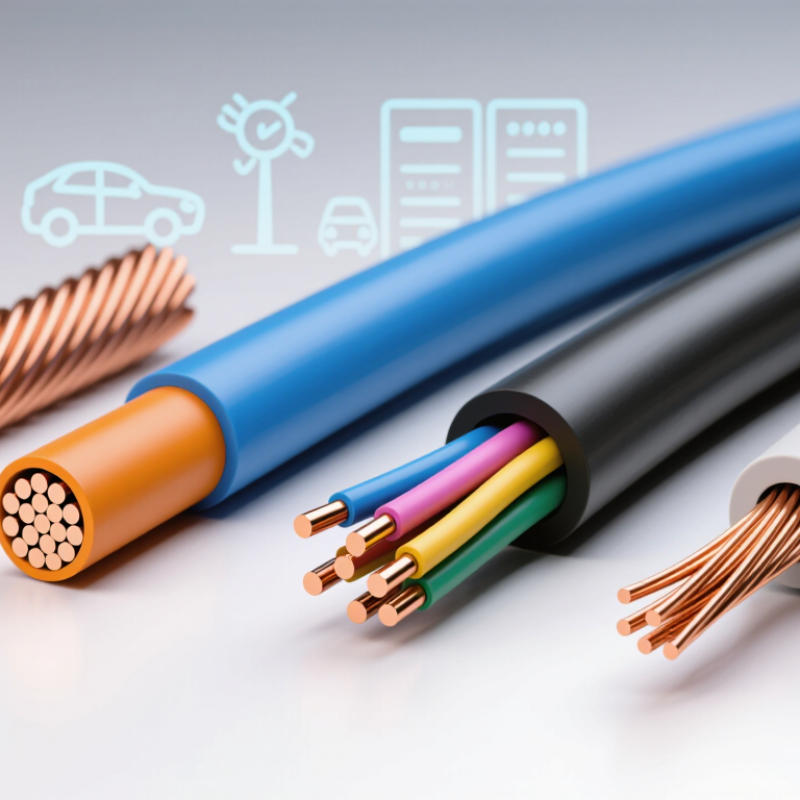
What Are the 2026 Top Scrap Copper Cable Types for Buyers?

How 2026 Buyers Rank Scrap Copper Cable by Grade and Recovery Value

Buyers in 2026 rank scrap copper cable by recoverable copper, not gross weight alone. Bare bright copper usually leads the list because it has clean, uncoated copper and minimal processing loss. Clean, unalloyed wire follows closely. Tinned wire, oxidized conductors, and mixed cable usually receive lower values because coating removal and separation increase costs.

Insulated cable needs closer inspection. Large power cable may contain more copper per meter than thin communication cable, but insulation can reduce its recovery value sharply. A practical buyer checks conductor diameter, insulation thickness, aluminum content, moisture, and attached fittings. ReMA’s Scrap Specifications Circular supports consistent descriptions, yet actual prices still depend on local assay results and processing equipment. The label alone is not enough.

The USGS Mineral Commodity Summaries 2025 estimated about 640,000 metric tons of copper recovered from scrap in the United States during 2024. It also indicated that recycled copper supplied roughly 30% of domestic copper consumption. That figure shows why recovery percentage matters. The International Copper Study Group’s 2025 market outlook also described continuing pressure from electrical infrastructure and energy equipment demand. Still, a high-demand market does not make every cable valuable. I would not trust color alone. A cut sample, weighing test, and moisture check often reveal the real grade. My ranking is useful, but imperfect, because regional specifications and refinery deductions can change the final return.

Bare Bright Copper: Evaluating ISRI Grade and 99.9% Purity

Bare Bright Copper remains a leading scrap cable choice for 2026 buyers because its value depends on cleanliness, consistency, and verified composition. In receiving yards, the best material appears bright reddish-orange, with no insulation, coating, solder, fittings, or heavy oxidation. It feels dense in the hand and bends without crumbling. Small details matter.

Under common ISRI descriptions, Bare Bright Copper generally means clean, uncoated, unalloyed copper wire and cable, often meeting a minimum wire size requirement. However, ISRI grade language is not the same as a laboratory purity certificate. A shipment may look excellent but test below the expected level. Visual checks help, but they do not prove 99.9% copper content. Use an XRF screening test when available, and request an independent assay for higher-value lots. Keep sample records, photographs, weight tickets, and moisture notes together.

Purity can vary within one bundle. That is easy to miss. Mixed strands, oxidation, or hidden attachments may reduce the payable grade. Experienced buyers should inspect several points, not only the cleanest piece on top. I would also question any claim of “99.9% purity” without test conditions, sampling method, and traceable documentation. Even careful inspection has limits. A second review can prevent an expensive assumption. Clear grading criteria and honest reporting protect both sides of the transaction.

Insulated Copper Wire: Comparing 60%, 75%, and 85% Copper Recovery

What Are the 2026 Top Scrap Copper Cable Types for Buyers?

Insulated Copper Wire: Comparing 60%, 75%, and 85% Copper Recovery

Insulated copper wire remains a practical choice for buyers in 2026. Its value depends heavily on copper recovery, not just cable weight. A 60% recovery grade usually contains more insulation and delivers a lower metal yield. A 75% grade offers a better balance between processing cost and copper output. An 85% grade contains dense copper conductors with less plastic covering. It often attracts stronger prices, but only when the material is clean and correctly sorted. The percentage is an estimate, not a promise.

Tips: Check a representative sample before buying. Cut several cables from different parts of the load. Look for thick copper strands, dry insulation, and limited mixed metal. A small scale and stripping test can expose inaccurate grading. Keep records of weight, sample results, and supplier statements.

In practical inspections, bright copper is easier to evaluate than dark, oxidized material. However, appearance alone can mislead experienced buyers. I have seen heavy insulation make a cable seem valuable from a distance. That judgment was wrong. Mixed cable sizes can also reduce the actual recovery rate. Buyers should compare the quoted percentage with processing costs, labor, transport, and expected yield. A professional review may cost less than accepting one optimistic grade. Recovery figures should be confirmed through consistent sampling and clear purchasing terms.

Armored and Heavy-Insulated Cable: Measuring Copper Yield and Contamination

What Are the 2026 Top Scrap Copper Cable Types for Buyers?

Armored and heavy-insulated cables remain important choices for scrap copper buyers in 2026. Their appearance can be deceptive. A thick cable may contain less copper than expected because steel armor, fillers, and insulation add weight. Armored cable often includes steel wires or tape around the core. Heavy insulation may contain PVC, rubber, or cross-linked materials. These layers increase handling costs and reduce the final copper percentage.

Measure the yield, not the appearance. Weigh a representative sample before processing, then separate the copper, insulation, armor, and other metals. Use this formula: copper weight divided by total cable weight, multiplied by 100. A clean sample cut across the full cable helps reveal the actual conductor size. A single cut can mislead. Cable reels may contain mixed constructions, moisture, or damaged sections.

Contamination deserves equal attention. Steel fragments can remain attached to copper strands, while insulation residue may lower the usable value. Check for aluminum conductors, lead-based components, dirt, and excessive moisture. Photograph the sample and record each weight. Keep the test pieces available for review. Small errors matter.

A practical buying decision should compare net copper yield, sorting labor, transport weight, and processing loss. Heavily insulated cable may still be worthwhile when copper concentration is consistent. Armored cable requires more careful separation. Buyers should question unusually clean samples and repeat testing across several sections. 马会

What Are the 2026 Top Scrap Copper Cable Types for Buyers? - Armored and Heavy-Insulated Cable: Measuring Copper Yield and Contamination

Cable Type Typical Construction Typical Copper Content
(% of Gross Weight)
Estimated Recoverable Copper
(% of Gross Weight)
Common Non-Copper Material Expected Contamination
(% of Gross Weight)
Indicative Copper Grade Buyer Inspection Priority
Copper Steel-Wire Armored Cable Copper conductor, polymer insulation, bedding, galvanized steel-wire armor and outer sheath 35–55% 32–52% Steel, PVC/PE, fillers 2–8% Millberry or No. 2 copper after stripping Verify armor removal, steel deduction and conductor oxidation
Copper Steel-Tape Armored Cable Copper conductor, insulation, metallic tape armor and protective outer jacket 30–50% 28–47% Steel tape, PVC/PE, fillers 3–10% No. 2 copper or insulated copper Check for excessive steel tape, moisture and mixed-metal attachments
Heavy-Insulated Single-Core Power Cable Large copper conductor with thick XLPE, PVC or rubber insulation 55–75% 53–73% XLPE, PVC, rubber, screens 1–4% Bright copper or No. 2 copper Confirm conductor cross-section and exclude aluminum-core cable
Heavy-Insulated Multi-Core Power Cable Several copper cores with individual insulation, fillers, collective sheath and optional armor 45–65% 42–63% PVC/XLPE, fillers, steel armor 2–7% No. 2 copper or insulated copper Sample both ends and middle; identify any aluminum or mixed conductor sections
Copper Rubber-Sheathed Heavy Cable Flexible stranded copper conductors with thick rubber or elastomer insulation 40–60% 37–58% Rubber, elastomer, textile fillers 3–10% Insulated copper or No. 2 copper Inspect for oil, mud, embedded metal and excessive rubber adhesion
Copper Concentric-Neutral Cable Central copper conductor, polymer insulation and concentric copper neutral wires 50–70% 48–68% XLPE/PVC, semiconductive screens 1–5% Bright copper or No. 2 copper Confirm that the concentric neutral is copper rather than aluminum
Lead-Sheathed Copper Armored Cable Copper conductor, insulation, lead sheath and sometimes steel armor or outer jacket 35–55% 32–52% Lead, steel, PVC/XLPE 8–25% No. 2 copper after lead and insulation deductions Separate lead-bearing material and apply hazardous-material handling controls
Measurement basis: The percentages are indicative buying ranges for reasonably sorted cable lots. Copper content varies with conductor size, voltage class, insulation thickness, armor design, moisture and attached fittings. Recoverable copper is lower than theoretical copper content because of stripping losses, oxidation, trapped insulation and sorting losses. For settlement, buyers should weigh a representative sample, identify conductor metal with a conductivity or alloy test, remove non-copper materials, and confirm the final yield by controlled processing or assay.

Data and Coaxial Cable: Assessing Copper Content Often Below 50%

For 2026 buyers, data and coaxial cables require closer inspection than their appearance suggests. Their copper content is often below 50%, especially when insulation, shielding, fillers, and connectors remain attached. The 2024 Global E-waste Monitor recorded 62 billion kilograms of global e-waste in 2022, yet only 22.3% entered documented collection and recycling systems. This gap makes cable grading and traceability increasingly important.

Not every cable pays like bright, clean copper. Industry purchasing guidance commonly places mixed data cable around 20–40% copper, while some coaxial cable lots fall below 30%, depending on design and stripping quality. Actual recovery can be lower after removing jackets, steel braids, aluminum shields, and plastic separators. A 2024 International Copper Study Group market review also shows secondary copper remains a significant supply source, but recycled feedstock quality varies widely. That matters at the scale.

Buyers should request a representative sample, weigh the full cable, and record the recovered metal separately. A small cutter test can expose a thin central conductor hidden under thick insulation. Check for copper-plated aluminum, too. It can look convincing.

A practical purchase sheet should list cable type, estimated copper percentage, moisture, attachments, and test method. These details support more reliable pricing and reduce disputes. Still, percentage estimates are not perfect. Mixed reels can mislead experienced buyers when one clean section hides a lower-grade interior.

Top
error: Content is protected !!