2026 Top PU Conveyor Belt Features and Global Sourcing Guide?
The PU Conveyor Belt is a vital component in many industries. Its unique properties make it suitable for various applications, including food processing, packaging, and material handling. The growing demand for efficient and durable conveyor solutions has led to a heightened interest in these belts.
In 2026, the features of PU Conveyor Belts are expected to evolve further. Manufacturers are focusing on improving wear resistance and flexibility, enhancing the overall performance. However, selecting the right belt for specific needs is still challenging. The market offers diverse options, making it difficult to identify the best fit for each application.
Global sourcing is key when seeking the right PU Conveyor Belt. Many companies overlook this critical step. Sourcing from reliable suppliers ensures quality and longevity. It’s essential to conduct thorough research and consider suppliers' reputations. This guide aims to equip you with the knowledge to navigate these market complexities effectively.
Key Features of PU Conveyor Belts for 2026
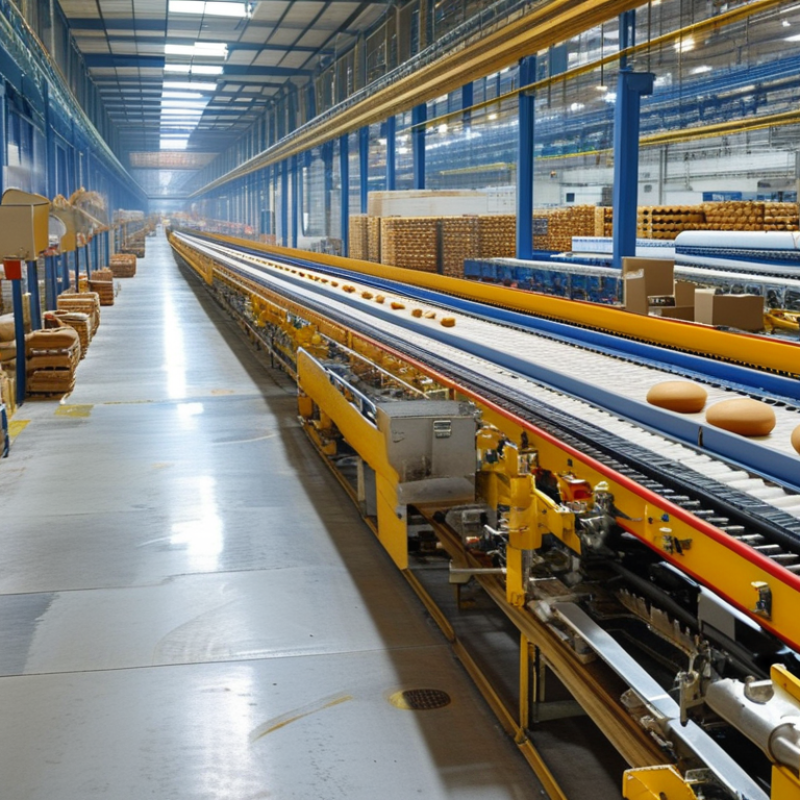
PU conveyor belts are becoming essential in various industries by 2026. Their unique features drive efficiency and performance. One key aspect is their durability. According to industry reports, PU belts can endure a temperature range of -30°C to 80°C. This capability makes them suitable for environments with significant temperature fluctuations.
Additionally, the increased resistance to chemicals and oils enhances their functionality. Many sectors, including food production, benefit from PUR conveyor belts due to their non-toxic nature. A recent market analysis highlighted that over 40% of the conveyor belts used in food processing are made from PU materials. This trend indicates a growing preference for safer and more effective material solutions.
Another important feature is their flexibility in design. PU conveyor belts can be customized to meet specific operational needs. This flexibility contributes to enhanced productivity, as adaptation is crucial in fast-paced manufacturing settings. Despite these advantages, businesses must remain vigilant about maintenance practices. Regular inspection can prevent unexpected downtime, which is vital for sustaining operations.
Applications of PU Conveyor Belts Across Industries
PU conveyor belts have become essential in various industries due to their versatility and durability. These belts are widely used in food processing, where hygiene and safety are crucial. They can withstand temperatures and resist oil, making them ideal for transporting food products without contamination. In manufacturing, PU belts support the movement of components through assembly lines, enhancing productivity and efficiency.
In the packaging sector, PU conveyor belts play a vital role. They effectively manage the transportation of products for labeling and boxing. Their smooth surface reduces friction, allowing for better speed and precision. However, not all applications are stress-free. Environmental conditions, such as humidity and temperature fluctuations, can impact performance. Regular maintenance is necessary to ensure longevity.
Some industries face challenges with PU conveyor belts. For instance, the automotive sector may require belts that can handle heavy loads and high speeds. Finding the right specifications can be challenging. Moreover, sourcing reliable suppliers is critical to maintaining production schedules. Businesses must evaluate their needs carefully and consider the long-term implications of their choices.
Global Sourcing Strategies for PU Conveyor Belts
When sourcing polyurethane (PU) conveyor belts, understanding global strategies is essential. Companies must evaluate suppliers based on technical capabilities and product quality. Many manufacturers focus on sustainable practices and innovative production techniques. This creates a need for collaboration with suppliers who prioritize environmental responsibility.
Building strong partnerships can streamline the sourcing process. It’s critical to communicate specific requirements clearly. Factors like belt thickness, durability, and temperature resistance must be considered. Moreover, sourcing from regions known for advanced manufacturing can yield better results. However, finding the right balance between cost and quality can be challenging.
Trade shows and industry events are valuable for connecting with potential suppliers. Attend these gatherings to witness new products and trends firsthand. Feedback from peers can provide insights into reliable manufacturers. Establishing a network often leads to discovering hidden gems in the market. Companies should embrace a mindset of continuous improvement in their sourcing strategies. This iterative process fosters better decision-making and enhances overall supply chain resilience.
Market Trends Influencing PU Conveyor Belt Development
The growth of the PU conveyor belt market reflects various influencing trends. For instance, industries are increasingly adopting sustainable practices. This shift drives demand for eco-friendly materials. Additionally, automation in manufacturing is another critical factor. Conveyor belts need to keep pace with advancing technology and production efficiency.
Evolving customer preferences shape design choices too. More vibrant colors and custom patterns are becoming popular. Manufacturers should consider these aesthetic trends alongside functionality. Attention to detail can enhance a product’s appeal. However, balancing aesthetics with durability is often challenging.
Tips: When sourcing PU conveyor belts, focus on suppliers with a strong track record. Their experience often indicates reliability. Exploring multiple suppliers ensures competitive pricing and quality. Always verify certifications for material safety. It’s easy to overlook, but essential for maintaining regulatory compliance.
Best Manufacturers and Suppliers of PU Conveyor Belts Worldwide
PU conveyor belts are essential in various industries. They offer durability, flexibility, and resistance to chemicals. This material is often used in food processing, packaging, and logistics. Many manufacturers focus on creating eco-friendly and robust designs. Sourcing these belts is crucial for businesses aiming for efficiency.
When looking for suppliers, consider their reputation and experience. The best manufacturers should have a proven track record in quality control. It’s also important to check their certifications. Reliable suppliers often provide access to custom solutions to meet specific needs. Communication with manufacturers is key. It helps clarify the specifications and delivery timelines.
However, sourcing internationally can be challenging. Language barriers and cultural differences may hinder negotiations. Additionally, variations in quality standards can create complications. Doing thorough research and reading reviews can mitigate risks. Ensuring the chosen supplier aligns with your needs requires patience and diligence.